
Laurie Anne Walden, DVM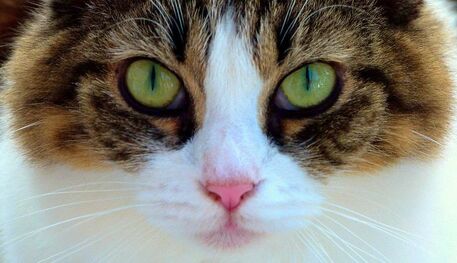 Public domain photo by Alexandre Burner on Flickr Public domain photo by Alexandre Burner on Flickr Hepatic lipidosis, or fatty liver syndrome, is a life-threatening condition in cats that stop eating for any reason. It’s most common in overweight or obese cats but can affect cats of any weight. Cats that don’t eat for more than a couple of days need to see a veterinarian without further delay.
Causes When cats don’t eat, their bodies start to break down stored body fat to use for energy. Eventually the level of metabolized fat in the blood is higher than the body can use, and the excess fat is stored in the liver cells. The liver cells become swollen with fat and can no longer function normally, resulting in liver failure. The swollen liver cells also squash the bile ducts within the liver, obstructing the flow of bile (which is needed for normal digestion). Overweight and obese cats are at higher risk than average-weight cats because they have more body fat to metabolize. The tendency to store metabolized fat in liver cells is a quirk of feline liver function, so hepatic lipidosis is much more common in cats than in dogs. Anything that makes a cat stop eating can cause hepatic lipidosis. The cause is usually an underlying disease like a digestive system disorder, diabetes, kidney disease, cancer, or hyperthyroidism. Healthy cats can develop hepatic lipidosis if they don’t eat for some reason, like changing to a new food they don’t like, experiencing a stressor like a new pet or a house move, boarding, getting accidentally locked in a garage, getting lost outdoors, and so forth. Signs Cats with hepatic lipidosis usually have signs of liver disease like these:
Cats might also have signs related to the underlying disease that caused them to stop eating. Diagnosis Baseline diagnostic tests (bloodwork and urinalysis) are run to evaluate liver function, assess the cat’s overall condition, and look for an underlying disease. Cats with signs of liver disease usually also have imaging studies like ultrasound of the abdomen. The diagnosis of hepatic lipidosis can be confirmed with liver biopsy, although not all cats need this step. Treatment Cats with hepatic lipidosis are typically hospitalized for at least a few days. Treatment includes intravenous fluids, correction of electrolyte imbalances and anemia (which can happen with liver disease), treatment for nausea and vomiting, nutritional support, and if possible, treatment of the underlying disease. Nutritional support is crucial for cats with hepatic lipidosis so their bodies will stop metabolizing fat for energy. Because most cats with this condition don’t eat on their own, they are fed through a tube at first. Feeding tubes are placed through the nose (cats tolerate this better than you would think) or surgically placed through the skin. Some cats need to continue tube feeding for weeks. These cats receive surgically placed feeding tubes designed for long-term use, and their owners must continue the tube feedings at home. Prognosis Most cats that receive prompt intensive care (including early tube feeding) recover from hepatic lipidosis. The long-term prognosis depends on whether the underlying disease is treatable. Prevention Keeping a cat at a lean body condition reduces the risk of hepatic lipidosis. For cats that stop eating, early intervention to get nutrition into the cat—feeding something the cat will eat, using an appetite stimulant medication, or starting tube feedings—can help prevent hepatic lipidosis. Cats should never be force fed, though. Placing food directly into a cat’s mouth by hand or through a syringe can cause a cat to avoid that food in the future and be even less likely to eat on its own. Image source: https://www.flickr.com/photos/139162177@N05/46079745404/ Laurie Anne Walden, DVM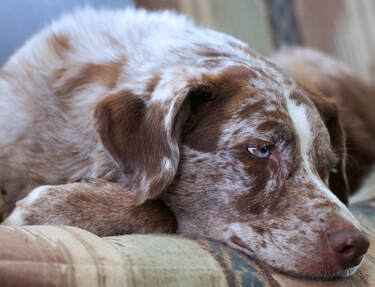 Public domain photo by Alan Levine on flickr Public domain photo by Alan Levine on flickr Palliative care and end-of-life hospice care for animals focus on improving quality of life, not curing disease. The decision to begin these types of care can be difficult for pet owners. Whether palliative care is right for an individual pet depends on the needs and capacity of the family as well as the medical needs of the animal, so the decision is specific to each pet and each caregiver.
Animals that are candidates for palliative and hospice care typically fall into one of these categories:
Palliative care is treatment that minimizes an animal’s pain and distress (without curing disease) at any time, not just at the end of life. The term hospice care more specifically refers to care near the end of life. Hospice care generally includes palliative care for the animal and support for the human caregivers. The biggest difference between human and animal hospice care is that euthanasia is a legal and humane option for animals. Hospice-assisted natural death is possible for some animals. However, choosing to let pets “die on their own” without any relief of pain and distress is unethical. Some veterinarians are specialists in palliative and hospice care. End-of-life care for animals might involve a team including veterinary staff members, specialists (like grief counselors) to support the humans, and the pet owners themselves. Tips for Pet Owners The American Association of Feline Practitioners recently published hospice and palliative care guidelines for cats and has very helpful suggestions for pet owners (not just cat owners). Here’s a summary; for more details, see the Cat Friendly Homes website.
If you know your pet is nearing the end of life, it can be very helpful to plan in advance for your pet’s death. Options might include euthanasia at your veterinarian’s office, home euthanasia (if available in your location), or hospice-assisted natural death (if appropriate and available for your pet). Ask about the euthanasia procedure and the cremation and burial options. For More Information
Image source: https://www.flickr.com/photos/cogdog/25256183337/ Laurie Anne Walden, DVM Photo by kevin turcios on Unsplash Photo by kevin turcios on Unsplash The differences between heartworm prevention products can be confusing. Some products protect pets from other parasites in addition to heartworms. Your veterinarian can recommend products for your own pet according to risk factors like your pet’s lifestyle, environment, and geographic location.
Heartworm preventives should be given all year round. If your pet’s heartworm preventive doesn’t also cover for fleas and intestinal parasites like roundworms and hookworms, your pet should receive a second product or have regular parasite tests (your veterinarian can advise you about this). Heartworm preventives labeled for dogs and cats are available in the United States only by prescription. Some products that target fleas, ticks, and intestinal parasites are prescription products; others can be sold without a prescription. If you find a flea/tick product or a dewormer for dogs or cats that can be bought without a prescription, it won’t protect your pet against heartworm infection (unless it’s being sold illegally or possibly from outside the United States). These are the parasites most often covered by parasite preventives for dogs and cats:
Heartworm Preventives New products come on the market regularly. Products within the same brand line that have different ingredients (for different parasite coverage) tend to have nearly identical names, so check labels carefully. The following is a summary of currently available heartworm preventives for dogs and cats, listed by route of administration and active ingredient. This list is from the American Heartworm Society website, which shows the product names and their parasite coverage in an easy-to-read chart. For an updated list of heartworm preventives for dogs, cats, and ferrets, please see the American Heartworm Society website: https://www.heartwormsociety.org/preventives Products for Dogs Tablets or chews given by mouth once a month:
Injectable product given every 6 or 12 months:
Topical products applied to the skin once a month:
Products for Cats Tablets or chews given by mouth once a month:
Topical products applied to the skin once a month (except Bravecto Plus):
Image source: https://unsplash.com/photos/rls2bfqYh8E Laurie Anne Walden, DVM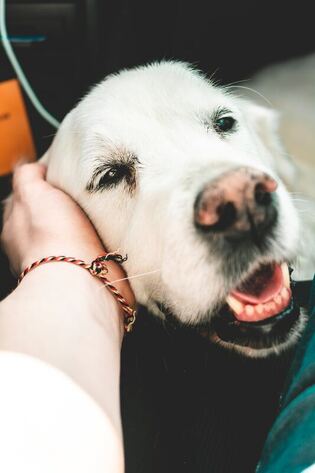 Photo by Alexandre Debiève on Unsplash Photo by Alexandre Debiève on Unsplash Most dogs and cats cope very well with vision loss. They rely more on the sense of smell than on the sense of sight. Blind animals can have happy, comfortable lives with some help from their owners.
Pets with gradual vision loss often adapt so well that their owners don’t realize their pets are having trouble seeing until they’re completely blind and bumping into things. Animals with sudden blindness can take longer to adjust. Safety and Navigation Use gates and other barriers to block a blind animal’s access to stairs, swimming pools, fireplaces, and other dangers. Use foam cushioning (child safety equipment) to pad furniture corners. Keep the floor clear of trip hazards like toys and laundry. Keep blind animals in a crate or other secure space whenever they’re unsupervised, at least while they’re adjusting to their loss of vision. This space can also become a safe, familiar retreat. Blind animals can have a hard time navigating stairs, especially descending. Be patient and use a harness and treats to show blind dogs how to manage stairs. Consider covering short runs of steps with a ramp. Nonslip strips applied to stair treads might make a blind pet feel more secure. Dogs and cats that sleep on furniture might need a ramp or steps so they don’t have to jump up and down. To help blind pets learn their way around the house, don’t pick them up and carry them; let them walk on their own. Different floor surfaces (mats or rugs) can help them identify specific areas like doorways and the location of food and water bowls. A radio left on at all times in one room and scents applied to furniture at the pet’s head height can also help orient them inside the house. Face whiskers help animals feel obstacles, so don’t have their whiskers trimmed at grooming appointments. Vests with circular extensions around the head or chest (halo vests) are available for blind dogs who keep bumping into things. Exercise and Mental Health Blind animals need exercise just like every other animal, but they shouldn’t go outdoors unsupervised. Even a small fenced yard can have holes and fallen branches that would pose a risk to a blind pet. If you don’t have a fenced yard that’s safe and familiar to your dog, keep your dog on a leash. When walking your blind dog, attach the leash to a harness instead of a collar in case you need to pull your dog away from a hazard. Teach your dog verbal cues like “left,” “right,” and “stop.” An unexpected touch can frighten a blind dog, so warn people who approach that your dog is blind. Consider using a dog vest with the words “Blind dog” or “Do not pet.” Be very careful if another dog approaches while you’re walking your dog. A blind dog can’t read other dogs’ body language. If you let your dog interact with another dog, be sure that the other dog is friendly and that your dog is comfortable with the interaction. Provide toys that stimulate senses other than sight. Use toys with bells (with supervision—bells can be a choking hazard), catnip toys for cats, and tracking games for dogs who enjoy following scents. For some animals, playing contact games like tug of war might be easier than chasing toys by sound or scent. Some animals experience anxiety while they’re adjusting to vision loss. Keep your pet’s routine consistent, stay positive around your pet, and provide a safe retreat like a crate. Behavior changes like hiding, reluctance to walk or play, growling, barking, and snapping can all be signs of anxiety. Contact your veterinarian if your pet has any of these changes or seems to be having trouble adapting. Some pets benefit from short-term or long-term prescription anxiety medications. For more ideas, see the ACVO Vision for Animals Foundation website: https://www.visionforanimals.org/coping-with-a-blind-dog/ Image source: https://unsplash.com/photos/SEX4KAz9ExQ Laurie Anne Walden, DVM Photo by Edson Torres on Unsplash Photo by Edson Torres on Unsplash Treats are fun to give and are useful for training. But in large enough quantities, treats and table food can contribute to weight gain and throw off the nutritional balance of a pet’s diet.
Keep these points in mind:
If you live with other people, you probably aren’t the only person giving your pet treats. Talk to your veterinarian about a realistic nutrition plan that will work for your household, especially if your pet is overweight or has special nutritional needs. Calories The calories in treats and table food can add up quickly for a small animal that needs only a fraction of the calories that a person eats. To find out how much your pet should eat in a day, start with your pet food manufacturer’s feeding guide or use a calorie calculator. Your pet’s individual requirement might be higher or lower than the estimate from a feeding guide or calorie calculator, so keep an eye on your pet’s body condition and adjust the amount fed as needed. Here’s how to find your pet’s daily calorie requirement:
Nutritional Balance A balanced diet has the right proportions of vitamins, minerals, protein, and fat for an animal’s species and life stage. For example, cats need a higher percentage of dietary protein than dogs do, and growing animals need more calcium than adults do. Pet foods sold as complete and balanced diets must meet nutrient requirements set by the Association of American Feed Control Officials (AAFCO). The packaging will include a statement that the product meets AAFCO standards for a certain species and life stage. Products sold as treats don’t have to meet these nutrient requirements. As long as the treats make up less than 10% of the daily calorie intake, their nutrient content isn’t that important. But if treats account for more than 10% of the daily calories, they can unbalance the diet. Treat Ideas These treats don’t contain many calories and are safe for healthy dogs and cats. If your pet has a food allergy or a medical condition, ask your veterinarian about appropriate treats.
Image source: https://unsplash.com/photos/hjzs2nA4y-k Laurie Anne Walden, DVM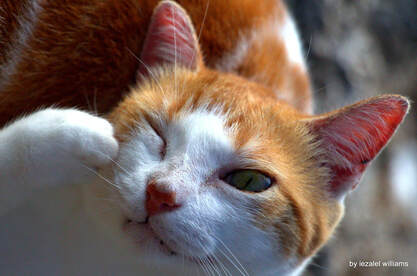 Photo by iezalel williams on Flickr Photo by iezalel williams on Flickr Many dogs and cats need eye medication at some point in their lives. Pets with chronic eye diseases might need more than 1 eye medication given multiple times a day for years. With practice and positive reinforcement, giving eye medication to an animal can be quick and drama free.
If your pet doesn’t need eye medication yet, you can train them for it in advance. This training will reduce your pet’s stress when they need medication later on. Go through the body positioning and head handling steps listed below and give yummy treats at each stage. Large dogs can be trained to rest their head on your knee to receive eye medication. Handling Eye Medication
Giving Multiple Medications
Preparation
Administering the Medication
Watch for Unwanted Effects Some eye medications are a little uncomfortable for the first few applications. It’s common for animals to blink more than usual or squint for a minute or two after an eye medication is applied. If your pet’s eye seems uncomfortable for more than a few minutes or if this response continues for more than the first few doses, contact your veterinarian. Image source: https://www.flickr.com/photos/181765699@N08/48298582227/ Laurie Anne Walden, DVM Photo by kowal854 on flickr Photo by kowal854 on flickr The retina is a structure made of layers of photoreceptor cells and nerve cells at the back of the eye. The retina converts light into electrical signals that are sent to the brain to be interpreted as visual images.
Disorders of the retina cause vision loss. Whether the animal becomes completely and permanently blind depends on the cause. Inherited disorders, infection, inflammation, eye trauma, eye cancer, and metabolic diseases that affect the whole body can all cause retinal disorders. Progressive Retinal Atrophy Progressive retinal atrophy is the name for a group of inherited disorders that cause gradual blindness as the retina degenerates. Progressive retinal atrophy is most common in purebred dogs but also happens in cats and mixed-breed dogs. Some of the dog breeds at more risk than others are poodles, cocker spaniels, Labrador retrievers, golden retrievers, miniature schnauzers, dachshunds, Siberian huskies, mastiffs, and pugs. Depending on the genetic variation, progressive retinal atrophy can cause vision loss starting very young (in puppies) or later in life. Vision gradually deteriorates over time. Affected animals eventually become blind. Night blindness—loss of vision in low light—is the first sign in many animals. Because dogs and cats usually adapt well to vision loss, owners might not realize their pet’s vision has been affected unless they move the furniture or take their pet to an unfamiliar place. The condition isn’t painful and doesn’t affect the rest of the body, so animals with progressive retinal atrophy don’t feel unwell. Progressive retinal atrophy is diagnosed with an eye examination, usually by a veterinary ophthalmologist. Electroretinography, which measures electrical activity in the retina, is also sometimes used. DNA tests can identify genetic variations that put a dog at risk. No treatment for progressive retinal atrophy is available. However, because affected animals feel fine, they can continue to live normal lives with environmental management (to prevent falls from heights, for example). Some animals with progressive retinal atrophy also develop cataracts, but they aren’t good candidates for cataract surgery because they would still be blind after the surgery. Animals carrying genetic variations linked to progressive retinal atrophy shouldn’t be used for breeding. Retinal Detachment Retinal detachment is separation of layers of the retina from their normal position. The many possible causes include high blood pressure, eye trauma, infection, inflammation inside the eye, immune system problems, eye cancer, and inherited conditions of the retina. Depending on the cause, retinal detachment can affect one or both eyes and can cause gradual vision loss or sudden total blindness. If the cause is something that affects the whole body, the animal might have other signs of illness. Retinal detachment is diagnosed with an eye examination and sometimes ultrasonography of the eye. Other tests are needed to find the cause. Treatment for retinal detachment depends on the cause and whether the retina is only detached or is also torn. Medical treatment is aimed at whatever caused the retinal detachment. In some cases, the retina can be repaired surgically. The best chance for saving vision is by diagnosing and treating the detachment very soon after it occurs. Sudden Acquired Retinal Degeneration Syndrome Sudden acquired retinal degeneration syndrome (SARDS) causes sudden total blindness in dogs because of loss of function of the photoreceptor cells of the retina. The cause is not known. Dogs of any breed, including mixed-breed dogs, can be affected. Miniature schnauzers, dachshunds, pugs, and other small dogs seem to have SARDS more often than others, according to the American College of Veterinary Ophthalmologists. The average age of onset is 7 to 10 years. Along with vision loss, many patients with SARDS have decreased energy and increased appetite, thirst, and urine volume during the first few months. These signs are similar to those of hyperadrenocorticism (Cushing disease). However, no definite link to endocrine disorders like Cushing disease has been found. Ongoing research has suggested that SARDS might be caused by a neuroendocrine or autoimmune disorder, but these possibilities also haven’t been proven. SARDS is diagnosed by electroretinography showing no electrical activity in the retina. An eye examination won’t show any abnormalities at first. After some time has passed, a veterinary ophthalmologist might find retinal degeneration on examination. Because we don’t know how or why SARDS develops, it’s not possible to predict which dogs are at risk. There is also no treatment. Dogs with SARDS become fully blind but still have a good quality of life with some help from their owners to keep them safe. More Information To read more about eye disorders in animals, see the American College of Veterinary Ophthalmologists website: https://www.acvo.org/common-conditions1. Image source: https://www.flickr.com/photos/kowal854/49042126841/ Laurie Anne Walden, DVM Photo by M Burke on Unsplash Photo by M Burke on Unsplash The 3 main allergy categories in dogs and cats are allergies to environmental substances, fleas, and food. Food allergies are the least common, diagnosed in about 15% to 20% of dogs and cats with itchy skin and less than 1% of dogs and cats with any disease.[1] Many animals with allergies are allergic to multiple substances in different categories.
Causes An allergy develops after the immune system has become sensitized to the trigger substance. This means that food allergies take time to develop. Any food ingredient that a dog or cat has been eating for a while could potentially cause a food allergy. A new food that an animal just started eating wouldn’t cause allergy symptoms. The most commonly reported food allergy triggers are ingredients that are most common in dog and cat diets; examples are beef, chicken, dairy products, wheat, and fish. But anything an animal has eaten could theoretically be responsible, and studies have reported individual dogs and cats becoming allergic to foods as diverse as kidney bean, barley, and tomato.[2] Signs Itching is the most common sign of any type of allergy in dogs and cats. Itching caused by a food allergy is typically nonseasonal, but because animals with a food allergy can also be allergic to environmental substances, their itching might be worse at certain times of the year. Food allergies cause the same skin problems as other allergies. Repeated skin and ear infections are common. Food allergies can also cause digestive tract symptoms. These are some of the signs:
Diagnosis The only way to diagnose food allergy in dogs and cats is with an elimination diet trial. An elimination diet is formulated to eliminate all possible allergy triggers from the animal’s food. Food allergy is diagnosed if the allergy signs improve during the diet trial. Single-ingredient challenge trials are then used to pinpoint the trigger ingredients. An elimination diet trial usually lasts at least 8 weeks. During the trial, the animal can eat nothing except the elimination diet and approved treats: no flavored medications, table food, chew toys made from animal products, and so forth. Two types of prescription diets are used as elimination diets. Limited-ingredient diets have unusual protein and carbohydrate sources the pet is unlikely to have eaten before. Hydrolyzed protein diets have proteins broken down into molecular units too small to trigger an allergic response. Home-cooked elimination diets are appropriate for some pets and are best planned with the input of a veterinary dermatologist or nutritionist. Just changing the brand or flavor of dog or cat food doesn’t work to diagnose a food allergy. Commercial grain-free, raw, and boutique diets also don’t work as elimination diets. Nonprescription dog and cat diets usually contain some of the same ingredients (possible allergy triggers), might contain protein or carbohydrate sources not listed on the label, and can be cross-contaminated with other foods during manufacture. Veterinary dermatologists use skin tests to identify environmental substances that cause an allergic response, but skin tests can’t effectively identify food ingredients that trigger allergies. None of the blood and saliva tests that claim to diagnose food allergy have been found to be reliable. Treatment Animals with allergies are often allergic to multiple substances, so the more allergy triggers you can eliminate, the more comfortable they’ll be. For pets with food allergies, avoiding trigger ingredients reduces the allergic response. Elimination diets that are nutritionally complete can be fed long term as therapeutic diets. Some pet owners prefer to find a less expensive nonprescription diet that lacks their pet’s trigger ingredients. Effective flea prevention is especially important for animals with allergies to eliminate the possibility that a flea allergy is contributing to the itch. References 1. Olivry T, Mueller RS. Critically appraised topic on adverse food reactions of companion animals (3): prevalence of cutaneous adverse food reactions in dogs and cats. BMC Vet Res. 2016;13(1):51. doi:10.1186/s12917-017-0973-z 2. Mueller RS, Olivry T, Prélaud P. Critically appraised topic on adverse food reactions of companion animals (2): common food allergen sources in dogs and cats. BMC Vet Res. 2016;12:9. doi:10.1186/s12917-016-0633-8 Image source: https://unsplash.com/photos/l1UsjV2WrNM Laurie Anne Walden, DVM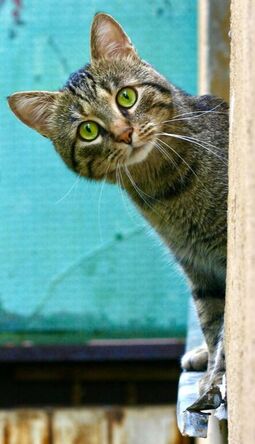 Photo by Bogdan Farca on Unsplash Photo by Bogdan Farca on Unsplash Cat scratch disease in humans is caused by infection with Bartonella henselae bacteria, which are transmitted by cat fleas. This potentially serious infection is an important reason to use flea control products for all cats all year round.
Transmission Bartonella species are spread by arthropods such as fleas, lice, and sand flies. People can be infected by several species of Bartonella. In the United States, B henselae is the most common cause of disease in humans. Cat fleas shed B henselae in their feces. Cats that harbor fleas carry these bacteria on their claws, on their skin, and in their mouths. Humans are usually infected by cat scratches contaminated with flea feces. People can also be infected by being bitten or having an open wound licked by a cat carrying B henselae. Dogs can also carry B henselae, but they typically have a lower bacterial load than cats. Whether dogs can transmit the infection to humans is not known. Infection in Humans In humans, B henselae infection can cause fever and swollen lymph nodes. More rarely, it causes inflammation of the heart valves, brain, bone, joints, eyes, or other organs. People with compromised immunity, such as those with HIV infection, are more likely than others to develop serious illness from B henselae infection. Infection in Cats Cats very commonly carry B henselae. Up to 40% of shelter cats in some geographic locations have B henselae in their bloodstream. Kittens tend to carry more bacteria than adult cats. Cats carrying B henselae usually have no symptoms. Because these bacteria are well adapted to living in cats’ bodies, they very rarely make cats sick. However, some cats develop fever, vomiting, eye inflammation, or swollen lymph nodes. Bartonella infection can be difficult to diagnose in cats. No antibiotic has been shown to completely eliminate the bacteria from carrier cats, and prolonged antibiotic treatment can cause the bacteria to develop antibiotic resistance. For these reasons, testing and treatment are recommended only for cats that have signs of illness caused by Bartonella infection. Prevention Because flea control prevents B henselae transmission among cats, the American Association of Feline Practitioners recommends that all cats receive flea prevention products year round. The CDC recommends these steps to prevent B henselae infection in people:
Laurie Anne Walden, DVM Photo by freddy dendoktoor on publicdomainpictures.net Photo by freddy dendoktoor on publicdomainpictures.net Glaucoma is caused by increased pressure inside the eye. It can be painful and often causes blindness even with treatment. Acute glaucoma is an emergency, so dogs and cats with any signs of eye discomfort or vision loss need to be examined by a veterinarian right away.
Causes Pressure inside the eye, or intraocular pressure, is controlled by a balance of fluid production and fluid drainage. In dogs and cats, glaucoma results from decreased fluid drainage. Fluid drains out of the eye mostly at the angle where the clear cornea and the colored iris meet inside the eye. This area, called the iridocorneal angle, contains a sieve-like network of tiny ligaments and tissues that regulate fluid flow. Anything that interferes with the iridocorneal angle can cause glaucoma. Primary vs secondary glaucoma Primary glaucoma is caused by an inherited problem with the structure or function of the iridocorneal angle. Some of the dog breeds at increased risk are cocker spaniels, beagles, basset hounds, Siberian huskies, and Samoyeds. Primary glaucoma is a progressive disease. Affected dogs need lifelong treatment, and the chance they will eventually become blind is high. Primary glaucoma is very rare in cats. Secondary glaucoma is caused by another eye disease (like uveitis, lens luxation, cataract, or cancer of the eye) that results in physical blockage of the iridocorneal angle. Acute vs chronic glaucoma Acute glaucoma is an increase in intraocular pressure for less than a day. Chronic glaucoma is an increase in intraocular pressure for longer than a day. The best chance for saving vision is to start treatment during the acute stage. However, the early signs of glaucoma can be subtle or mistaken for another eye problem, so glaucoma often isn’t diagnosed until it’s chronic. Signs Glaucoma causes the same signs of eye discomfort as other eye disorders. Animals with glaucoma can also have subtle behavior changes caused by eye pain. The signs usually start in only 1 eye but might not be noticed until chronic glaucoma has affected both eyes. These are some of the signs of glaucoma:
Diagnosis A high intraocular pressure measurement confirms the diagnosis of glaucoma. Devices used to measure intraocular pressure in animals are similar to those used in humans. Animals with glaucoma benefit from referral to a veterinary ophthalmologist to evaluate the iridocorneal angle and assess the risk of glaucoma in the other eye. Animals with secondary glaucoma usually need additional tests. Treatment Glaucoma is managed, not cured. The goals of treatment are to prevent pain, preserve vision as long as possible, and delay glaucoma onset in the other eye. Animals with acute glaucoma need emergency treatment to quickly reduce intraocular pressure, and they are typically hospitalized for intraocular pressure monitoring and pain management. Some patients need surgical treatment. Dogs with primary glaucoma need ongoing treatment with eye drops, oral medication, or both. Once an eye with glaucoma is irreversibly blind and painful, the kindest option is surgery to remove the eye. Animals tend to do well with this surgery and feel much better after the eye is removed. Prognosis For dogs with primary glaucoma, the long-term prognosis for vision is typically poor. However, early diagnosis and treatment can help these dogs stay comfortable and able to see for some time. Blind animals can have a very good quality of life with care and environmental management. If secondary glaucoma is identified and treated quickly and the cause can be eliminated, the prognosis for retaining vision is better than with primary glaucoma. Image source: https://www.publicdomainpictures.net/en/view-image.php?image=460143 |
AuthorLaurie Anne Walden, DVM Categories
All
Archives
April 2024
The contents of this blog are for information only and should not substitute for advice from a veterinarian who has examined the animal. All blog content is copyrighted by Mallard Creek Animal Hospital and may not be copied, reproduced, transmitted, or distributed without permission.
|
 RSS Feed
|
Office Hours
Monday through Friday 7:30 am to 6:00 pm
|
|


Site powered by Weebly. Managed by IDEXX Laboratories