
Laurie Anne Walden, DVM  Dog urine can turn grass yellow or brown. Lots of other things can also cause grass to die or change color, so before you blame your dog, make sure the grass spots really are caused by dog urine (you might need to consult a lawn care specialist).
Why Does Urine Discolor Grass? Dog urine contains nitrogen, which is produced by the body’s normal breakdown of protein. Nitrogen helps plants grow, but too much nitrogen damages plants, causing “burn” or “scald.” Fertilizers are designed to deliver the right amount of nitrogen at specific application rates. A small amount of nitrogen from dog urine can act as a fertilizer, so a patch of urine-scalded lawn might be surrounded by a ring of healthy green grass where the urine was less concentrated. Urine also contains salts and is often a bit acidic. Salts and acid can damage plants, but nitrogen is the main reason that urine discolors grass. Female dogs may be more likely than male dogs to cause urine spots on grass because they usually urinate large amounts in one location. Male dogs tend to urinate small volumes in lots of different places. But male dogs who urinate a lot in one area can also cause lawn burn. How to Prevent Urine Spots on Grass If urine spots on the lawn are new for your dog, consult your veterinarian. Your dog might need a urinalysis to check for a medical problem, like a urinary tract infection, that has changed the properties of the urine. Don’t treat a healthy dog for a grass problem. Don’t change to a low-protein diet or feed any supplements or foods that claim to change the urine chemistry or pH (unless your veterinarian has diagnosed a medical condition that needs these treatments). These products could be risky for a dog who doesn’t need them and probably won’t solve the grass discoloration anyway. These methods are safe for your dog:
Photo by 78Li Laurie Anne Walden, DVM 
Photo by Ian Badenhorst on Unsplash Laurie Anne Walden, DVM 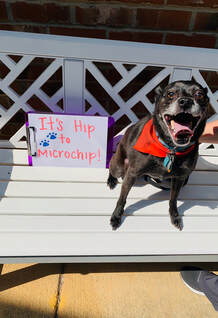 Microchips are a type of permanent identification that helps families reunite with lost pets. Pets should also have visible forms of identification like collar tags, but microchips can’t be pulled off by accident and are an important backup. Microchips are also required in some situations, like transporting animals.
Microchips connect owners to lost pets only if the owner’s contact information is registered in a microchip database. The United States does not have a central microchip registry. Microchip manufacturers and pet recovery services maintain their own databases. It’s essential to keep your contact information up to date in your pet’s microchip database. If you’re not sure where your pet’s microchip is registered, enter the microchip number in the American Animal Hospital Association microchip lookup tool: http://www.petmicrochiplookup.org/ If you don’t know the microchip number, your veterinarian’s office can scan your pet if the number is not already entered in your pet’s medical record. What Are Microchips? Microchips are radiofrequency identification transponders about the size and shape of a grain of rice. Microchips are implanted under the skin. In dogs and cats, they are implanted between the shoulder blades. You can’t usually feel a microchip under your pet’s skin, but you can see it on an x-ray image. A microchip is not a GPS device and can’t be used to track your pet. How Are Microchips Implanted? A microchip is injected under the skin through a needle, similar to the way a vaccine is injected (although the needle is a bit larger). Animals do not need anesthesia during microchip insertion. Your veterinarian can implant a microchip during an office visit. How Does Scanning Work? Shelters and veterinary clinics routinely scan stray dogs and cats for microchips. If the animal has a microchip and the owner’s information in the database is accurate, the staff can contact the owner. A microchip scanner emits a low-power radiofrequency signal that activates the microchip. When a microchip scanner passes over a microchip, the chip transmits a number that the scanner displays on a screen. The number is unique to that microchip, so once you’ve registered it, it’s also unique to your pet. Microchip manufacturers around the world make microchips that use different radiofrequencies. Not all scanners detect all microchip frequencies. Universal scanners read multiple frequencies. Microchips that meet the International Standards Organization (ISO) global standard transmit a specific radiofrequency that can be read by an ISO-standard scanner. Some countries require ISO-compliant microchips for imported animals. Are Microchips Safe? The benefits of microchipping are generally far greater than the potential risks. Adverse reactions to microchips are rare. Animals could bleed a little or have mild, short-lived discomfort at the injection site. Infection and swelling at the injection site are possible but not common. Microchips can theoretically cause inflammation that leads to cancer, but almost all reports of cancer near a microchip implantation site have been in laboratory rodents. Only a few cases in cats and dogs have been reported, and in most it was not clear if the cancer was linked to the microchip. Are Microchips Reliable? It’s possible for an animal to have a microchip that isn’t found on a scan. A microchip might use a different radiofrequency than the scanner can detect (if the scanner isn’t universal). Microchips occasionally migrate under the skin, usually to the side of the shoulder or front leg. People scanning for microchips typically scan a wide area of the body for this reason. And a microchip might not work at all (or stop working). Ask your veterinarian to check your pet’s microchip at the next clinic visit. For more information, see Microchipping of Animals FAQ on the American Veterinary Medical Association (AVMA) website. The AVMA Microchipping of Animals backgrounder page was also a source for this article.  We all know that cats sometimes throw up hairballs. But hairballs aren’t the only reason cats vomit. Don’t assume that vomiting is normal for your cat, even if it’s been going on for months or years.
Consult your veterinarian if your cat has any of these symptoms:
Hairballs Hairballs (trichobezoars in medical speak) are wads of hair in the digestive tract. Cats swallow loose hair when they lick their fur. Hair usually passes through the digestive tract without causing any problem. But sometimes hair packs together into a mass in the stomach or intestine. A hairball is usually shaped like a cylinder. If you see one on your favorite rug, you might mistake it at first for feces. Hairballs are often about the same size and shape as a log of cat poop. But if you look at a hairball closely you’ll see that it’s made of tightly packed hair (and it doesn’t smell like poop). We don’t really know how often cats normally vomit up hairballs. In an informal poll at a cat clinic in England, cat owners reported that nearly three-fourths of their cats had never vomited up a hairball. About 1 in 6 cats expelled a hairball once a year, and 1 in 10 cats expelled a hairball at least twice a year. Owners reported that long-haired cats brought up hairballs more frequently than short-haired cats did.[1] Hairballs that aren’t vomited up or passed in the stool can block the digestive tract. Symptoms include vomiting, decreased appetite, and signs of belly discomfort (which can be easy to miss in cats). Cats with intestinal blockages may need surgery. Causes of Hairballs Healthy cats occasionally bring up hairballs just because they’re cats and they groom themselves. But sometimes hairballs are a sign of another problem. Cats are more likely to have problems with hairballs if they swallow excessive amounts of hair or have a disorder that slows the movement of material through the digestive tract. Fleas and itchy skin conditions can lead to excessive grooming. Cats also overgroom in response to pain or stress. More grooming means more hair swallowed and an increased chance of hairballs. The symptoms of digestive tract diseases like inflammatory bowel disease and intestinal lymphoma (a type of cancer) can be mistaken for hairballs. In one study, some cats with hairballs blocking the intestines also had serious intestinal disease.[2] These diseases affect the way food and hair move through the digestive tract and may put cats at higher risk of hairballs. Hairballs can also irritate the digestive tract, causing inflammation. Managing Hairballs Ask your veterinarian before treating your cat’s vomiting or hacking with over-the-counter remedies or hairball diets. Hairballs might not be responsible for the symptoms. Brushing the coat to remove loose hair is safe and might be all that’s needed to reduce hairballs in healthy cats. Long-haired cats that regularly bring up hairballs may benefit from having their fur trimmed. If you’re noticing more hairballs than usual, ask your veterinarian to check your cat for underlying problems. If the symptoms point to an intestinal disease, your cat might need a series of diagnostic tests (such as bloodwork, ultrasound, and possibly a biopsy of the intestines). References 1. Cannon M. Hair balls in cats: a normal nuisance or a sign that something is wrong? J Feline Med Surg. 2013;15(1):21-29. 2. Norsworthy GD, Scot Estep J, Kiupel M, Olson JC, Gassler LN. Diagnosis of chronic small bowel disease in cats: 100 cases (2008-2012). J Am Vet Med Assoc. 2013;243(10):1455-1461. Photo by Karin Laurila Laurie Anne Walden, DVM  Are you tempted to skip your pets' heartworm and flea medicines during the winter? Dogs and cats actually need parasite prevention all year round. Year-round parasite control for pets helps keep the whole family safe from parasite-transmitted disease.
Warm spells during the winter are common in North Carolina, so we can’t count on cold temperatures to suppress insects that carry disease. Mosquitoes, fleas, and ticks can also live through the winter in areas that are protected from the cold. Heartworms Heartworms are transmitted by mosquitoes. Mosquitoes become active when the temperature rises above about 50°F (which happens routinely in North Carolina during the winter). But occasional warm winter days aren’t the only reason pets need year-round heartworm prevention. Heartworm preventives work by killing tiny heartworm larvae that are already in an animal’s bloodstream. These larvae came from mosquitoes that bit the animal in the past month or more. Skipping a month of heartworm prevention could mean that your dog isn’t protected from heartworm larvae that he was exposed to when it was warmer. The American Heartworm Society recommends giving heartworm preventives all year round. Intestinal parasites (worms) Some heartworm preventives also control intestinal parasites like hookworms and roundworms. These parasites can infect humans too. Giving parasite prevention to your pets throughout the year is a sensible safety measure. Fleas Fleas don’t just causing itching. They also transmit diseases like cat scratch disease, tapeworms, and plague. Fleas lay eggs that drop off the infested animal into the environment. This means that flea eggs are present everywhere the animal has been, including inside a home. After the eggs hatch, the larvae and pupae (intermediate stages) can stay dormant for weeks to months before becoming adult fleas. Because fleas can go through their life cycle indoors, they don’t need to wait for warm weather to develop into adult fleas. Flea infestations are easier to prevent than to treat, so the best chance of avoiding a flea problem is to give your pets year-round flea prevention. Ticks Ticks carry many diseases that affect both pets and people. Some tick species, including the type that transmits Lyme disease, are active during the winter when the temperature is above freezing. Ticks tend to live in leaf litter, crevices of buildings, and underbrush. When they’re ready to take a blood meal, they move to grassy areas or shrubbery near paths and latch onto a passing animal or person. Ticks can be hard to see through fur, so you might not realize that your dog has picked up a tick. Because of the risk of serious disease, the safest approach is to limit tick exposure: control ticks around your home and give your pets tick preventives recommended by your veterinarian. Photo by Justin Veenema Laurie Anne Walden, DVM  ’Tis the season for charitable giving. What better way to honor our pets than to help other animals and the people who take care of them?
Donate Money Local animal shelters and rescue groups can always use financial contributions. Money donated to national organizations may not find its way to local groups. Consider making a donation in memory of a pet you’ve lost. Memorial donations can also be thoughtful gifts for other animal lovers. The choice of charity is personal (and if you’re making a donation on someone else’s behalf, it’s a good idea to send it to one of their favorite charities). You might want to donate to an organization that funds research on animal health, like the Morris Animal Foundation, the Winn Feline Foundation, or a veterinary school. Do you have a friend or family member with a new dog or cat but not a lot of cash? The cost of vaccinations, spaying/neutering, and preventive medicine (like heartworm pills) adds up. They might appreciate a contribution to a health care fund for their new pet. Donate Pet Food or Supplies Our hungry neighbors need help feeding their pets too, and some food banks accept pet food donations. Mallard Creek Animal Hospital is holding a pet food drive for Second Harvest Food Bank through December 30, 2018. Drop off food or cash donations at the office. We (and the animals) are grateful for our clients’ generosity! Shelters and rescue groups usually need pet food, towels, blankets, cleaning supplies, training toys, cat scratching pads, and other items. Check with the organization before donating supplies; many post wish lists on their websites. Volunteer Shelters and rescue groups depend on volunteers. Some volunteer positions require training and an ongoing time commitment. If you have only a few hours, consider hosting a pet food or supply drive or holding a fundraiser. Need community service hours for school or an organization? Minor children usually can’t work directly with shelter animals, but children can set up donation drives or fundraisers like lemonade stands. Kids can also make pet items (like small blankets or catnip toys) at home and then deliver them to the shelter—but as always, check with the shelter first. Foster a Rescue Animal Do you have time, space in your home, and the right family (and pet) situation for a temporary house guest? Many rescue groups depend on fosters to house animals awaiting adoption. Animals in shelters also benefit from spending time in a foster home. Animals in foster care may have medical or behavioral issues that need to be addressed before they’re ready for adoption, so discuss the foster requirements with the rescue group. Are you a cat person? Charlotte-Mecklenburg Animal Control needs people to foster kittens at home or help out in the kitten nursery. Adopt an Animal Adopting is a great way to help—but never give an animal as a gift! The exception is adopting a pet into your own household (when you’re prepared to take lifelong care of it) as a “gift” for the family. If you want to give a pet to someone else, consider instead giving them money or a homemade gift certificate toward the adoption or purchase of a pet of their choice when they're ready. Photo by uschi2807  Technicians Christine, Harold, and Pam Technicians Christine, Harold, and Pam Veterinary technicians are trained caregivers who fill a role in veterinary medicine similar to the role of nurses in human medicine. National Veterinary Technician Week (October 14-20, 2018) is a good time to talk about what veterinary technicians do.
Veterinary technicians don’t just hold animals during examinations. In fact, holding is usually the job of another group of staff, the veterinary assistants. Veterinary technicians collect samples (like blood and urine) for testing, perform laboratory procedures, obtain radiographs, prepare patients and equipment for surgery, and monitor patients under anesthesia. They place intravenous catheters, administer medication, provide nursing care, and educate pet owners. Veterinarians diagnose disease and prescribe treatment; technicians (like nurses in human hospitals) implement the treatment plan. I asked the Mallard Creek technicians what they consider the best part of their job. They said they really like seeing sick patients they’ve been nursing get well, ready to go home to their owners. Watching family pets grow up is definitely a perk of primary care practice, but they all mentioned that the job is more than playing with puppies and kittens! Caring for sick and injured animals is tough work, often emotionally draining. Technicians are on the front lines taking care of ill animals that would usually rather be anywhere else. Most veterinary technicians in the United States work in private animal hospitals. Some specialize in certain types of practice, such as equine or emergency medicine. Veterinary technicians also work for research institutions, veterinary schools, zoos, diagnostic laboratories, animal shelters, pharmaceutical companies, feed companies, veterinary supply companies, government agencies, and the military. Veterinary technicians go through a 2- or 4-year course of study after high school, taking classes in subjects such as anatomy, animal diseases, dental procedures, nutrition, parasitology, and laboratory techniques. Their training covers multiple animal species. North Carolina has 4 accredited veterinary technician programs: Asheville-Buncombe Technical Community College (Asheville), Central Carolina Community College (Sanford), Gaston College (Dallas), and Miller-Motte College (Raleigh). To earn licensure, veterinary technicians must pass a national licensing examination. Technicians licensed in North Carolina must also pass a state examination based on the NC Veterinary Practice Act. To maintain licensure, veterinary technicians attend continuing education classes. North Carolina requires 12 hours of continuing education every 2 years for veterinary technicians. If you’d like to learn more about veterinary technicians, see the AVMA web page about veterinary technicians and assistants and the National Association of Veterinary Technicians in America website. Laurie Anne Walden, DVM  Revolting as it seems to us, some dogs like to eat feces. If you’ve been the not-so-proud owner of a poop-eating dog, you’ve probably wondered why dogs have such a nasty habit and what you can do to stop it. Unfortunately, the short answers are (1) because they’re dogs and (2) not much.
Mother dogs ingest their puppies’ feces during cleaning, but that’s not the only time dogs eat stool. The scientific word for eating feces is coprophagy, and some dogs seem particularly enthusiastic about it. Coprophagy in dogs hasn’t been extensively studied, but researchers from the University of California, Davis, School of Veterinary Medicine recently published the results of a new investigation of canine coprophagy.[1] They focused only on dogs that eat dog feces (not the feces of other species, like cats or horses). The investigators conducted 2 online surveys of dog owners and received over 3000 responses. According to their results, 16% to 23% of dogs engage in coprophagy (depending on how strictly coprophagy is defined—that is, how many times a dog has to eat poop to be classified as a poop eater). Most coprophagic dogs in the study preferred fresh stool no more than 2 days old. Age, sex, neuter/spay status, and diet were not associated with coprophagy. Dogs that were hard to housetrain (and therefore might not mind being in close contact with feces) were no more likely to eat feces than were dogs easy to housetrain. Compulsive or anxious behavior was also not related to stool eating. These results may not be definitive, though; in a study published in 2010, anxiety disorders and neutering (in male dogs) were both associated with coprophagy.[2] The researchers did turn up a few other factors linked to poop eating. Coprophagic dogs were more likely than noncoprophagic dogs to be described as “greedy eaters.” Terriers and hounds were more likely than other breed groups to be stool eaters (although in the 2010 study, sporting dogs had this dubious honor). The data did not allow for extensive analysis of specific breeds, but among the breeds that could be studied, the percentage of stool eaters was highest in Shetland sheepdogs and lowest in toy, miniature, and standard poodles. Not surprisingly, dogs in multiple-dog households (with access to more stool sources) and dogs reported to eat cat poop or dirt were more likely than others to eat dog feces. The investigators asked survey participants about methods they used to (try to) control their dogs’ coprophagy. Reported methods ranged from behavior modification/management techniques (the most common of which was chasing the dog away from the poop) to various food additives. The success rates of all of these methods were abysmal. The highest success rate, only 4%, was with a reward-based “leave it alone” command. Everything else had success rates ranging from 0% to 2%. The authors were careful to point out that their data came from self-reported dog owner surveys. Clinical trials, if someone were to conduct them, might yield different results. So is poop eating really a problem for dogs? It depends. A healthy dog who eats the stool of another healthy dog probably won’t have much trouble, although some types of fecal bacteria are hazardous if ingested. Parasite transmission is likely the biggest risk. Many intestinal parasites (like hookworms and roundworms) are spread through fecal-oral contact. And a couple of case reports have described dogs that developed drug toxicosis from eating the stools of housemate dogs that were taking medications.[3,4] A veterinary examination is always a good idea for a dog who eats stool, especially if the behavior is new or increasing, in case the dog has a medical reason for coprophagy. If your dog eats stool, the best way to control it is to limit his access to feces. Picking up stool in the yard is just about the only way to keep a dog from eating it. Before you get angry at your dog or try punishment (which doesn’t work anyway), remember that this behavior is normal for dogs. The UC Davis researchers hypothesized that domestic dogs inherited the coprophagy habit from their wolf ancestors—so if nothing else, your poop-eating canine has lots of company. References 1. Hart BL, Hart LA, Thigpen AP, Tran A, Bain MJ. The paradox of canine conspecific coprophagy. Vet Med Sci. 2018;4(2):106-114. 2. Boze BGV. Correlates of coprophagy in the domestic dog (Canis familiaris) as assessed by owner reports. J Appl Companion Anim Behav. 2010;4(1):28-37. 3. Hutchins RG, Messenger KM, Vaden SL. Suspected carprofen toxicosis caused by coprophagia in a dog. J Am Vet Med Assoc. 2013;243(5):709-711. 4. Shadwick SR, Ridgway MD, Kubier A. Thyrotoxicosis in a dog induced by the consumption of feces from a levothyroxine-supplemented housemate. Can Vet J. 2013;54(10):987-989. Photo by Noel Lopez on Unsplash Laurie Anne Walden, DVM  Zoonotic diseases, or zoonoses, are infections spread from animals to people (and vice versa). Many zoonotic diseases are transmitted by insects, wildlife, and livestock, and some are carried by pets.
Controlling zoonotic disease is a cornerstone of One Health, the concept that human health, animal health, and the environment are all linked. July 6 is World Zoonoses Day and is also the anniversary of the day Louis Pasteur administered the first successful rabies vaccination to a person (July 6, 1885). How to reduce your risk Preventive care for pets helps keep everyone in the family safe. The chance of contracting a zoonotic disease from a dog or cat is low if you take proper precautions. Zoonotic infections are also spread by contaminated food, insects, ticks, farm animals, birds, reptiles, and rodents. Young children, older adults, and people with compromised immune systems are at higher risk than others. These measures can lower your risk:
Find out more at the Centers for Disease Control and Prevention (CDC) website. Zoonoses in companion animals Many zoonotic diseases have been identified, and the CDC estimates that 75% of emerging infectious diseases originated in animals (often insects). Some of the most common zoonotic diseases in companion animals are listed below. Bacteria
Parasites
Other infectious agents
For more information: Zoonotic diseases (CDC) Zoonotic diseases and pets FAQ (American Veterinary Medical Association) Photo by Lydia Torrey Laurie Anne Walden, DVM  There’s something special about living with an older dog or cat. After years in the family, senior pets know the household routine and seem able to read our thoughts. And because of advances in nutrition and veterinary medicine, pets tend to live longer than they once did.
Pets’ needs change as they age, and older pets need extra care. Regular veterinary visits and some household adjustments can help keep dogs and cats healthy and comfortable into their senior years. How old is old? The common belief that 1 dog year equals 7 human years isn’t really true. Dogs don’t all age at the same rates; small breeds tend to live longer than large breeds. Cats and small dogs are traditionally thought of as senior at about 7 years old (although since they can live well into their teens, 7 years may actually be middle age). Large dogs enter the geriatric stage a bit sooner. Check out these resources for more information:
What to watch for Keep an eye out for gradual changes over time. Stiff joints, reduced vision, and picky eating are not necessarily normal effects of aging. They are often symptoms of medical conditions that can be treated. As dogs and cats get older, their risk for arthritis, cancer, kidney disease, thyroid disease, heart disease, and many other problems increases. Watch for symptoms like these:
Veterinary care Dogs and cats should be examined by a veterinarian at least once a year. Older pets may need to be seen more frequently. Many veterinarians recommend wellness checks every 6 months for senior animals. Think of it this way: if 1 dog year really were the same as 7 human years, then an annual examination for a dog would be the same as an examination every 7 years for you and me. Some diseases progress for a long time before an animal shows any symptoms. Routine diagnostic testing can turn up evidence of chronic disease early in its course, when treatment is most effective. Your veterinarian may recommend these tests for your senior pet:
Preventive health care includes vaccination. Rabies vaccination is required by law in North Carolina for all dogs, cats, and ferrets over 4 months old (for good reason). Dogs’ and cats’ vaccination needs may change as they age, so talk with your veterinarian about immunizations that make sense for your pet. Things you can do
Photo by Eric Han |
AuthorLaurie Anne Walden, DVM Categories
All
Archives
April 2024
The contents of this blog are for information only and should not substitute for advice from a veterinarian who has examined the animal. All blog content is copyrighted by Mallard Creek Animal Hospital and may not be copied, reproduced, transmitted, or distributed without permission.
|
 RSS Feed
|
Office Hours
Monday through Friday 7:30 am to 6:00 pm
|
|


Site powered by Weebly. Managed by IDEXX Laboratories