Laurie Anne Walden, DVM Photo by Sophie Shankey on Unsplash Photo by Sophie Shankey on Unsplash Tracheal collapse causes a chronic dry cough that sounds similar to a goose honk. The disease tends to get worse with time. Tracheal collapse can’t be cured, but for most patients, medical treatment reduces the severity of the cough. In the most serious cases, tracheal collapse interferes with breathing and requires emergency care.
Tracheal collapse can affect dogs of any breed but is most common in small-breed dogs like Yorkshire terriers and Pomeranians. It’s rare in cats. Cause The trachea (windpipe) is a tube held open by rings of cartilage. In animals with tracheal collapse, the cartilage rings soften and become weakened over time. The cartilage rings lose their ability to hold the trachea open and the trachea flattens during breathing or coughing, blocking the flow of air. The severity of the signs depends on the percentage of airway that’s blocked. The signs also partly depend on the location of the affected section of trachea: outside the rib cage (in the neck) versus within the rib cage. In dogs with tracheal collapse, coughing is made worse by pressure on the neck, excess weight, stress, excitement, exercise, respiratory irritants like smoke, and respiratory infections. Some dogs with tracheal collapse also have abnormalities of the larynx and the bronchi (airways inside the lungs). Chronic coughing causes airway inflammation, which in turn leads to more coughing. Tracheal collapse and heart disease are both common in middle-aged and older small-breed dogs, so many dogs have both diseases at the same time. Both diseases cause coughing and exercise intolerance. Figuring out which disease is most responsible for the cough can be a bit of a diagnostic challenge. Signs
Diagnosis Tracheal collapse is suspected on the basis of the patient’s history, the sound of the cough, and physical examination findings. A definite diagnosis is made with imaging studies. Radiographs (x-ray images) sometimes show a collapsed trachea and are also used to evaluate heart size and the appearance of the lungs. In many dogs the trachea collapses only on inhalation or only on exhalation, so fluoroscopy—an x-ray “movie”—can reveal collapse that doesn’t appear on radiographs. Tracheoscopy is examination of the inside of the trachea and bronchi with a fiber optic camera in an endoscopy tube. An advantage of tracheoscopy is that it allows samples from inside the trachea to be collected for laboratory analysis; a disadvantage is that it requires general anesthesia. Dogs with tracheal collapse might have bloodwork to assess their overall condition, especially if they are older or have concerning clinical signs. Because the signs of tracheal collapse and heart disease overlap, dogs with suspected or known heart disease also benefit from echocardiography to evaluate heart function. Treatment Tracheal collapse isn’t curable, so medical treatment needs to continue for life. Medications chosen for an individual patient might include cough suppressants to break the cough cycle, corticosteroids to reduce airway inflammation, bronchodilators, and antianxiety medications or sedatives to reduce stress. The choice of medication can change over time as the dog’s disease progresses. Nonmedical management is crucial for dogs with tracheal collapse and includes the following:
Surgical procedures like tracheal stent placement are available for dogs with severe signs. However, surgical options don’t cure the underlying tracheal problem and might not eliminate the cough. Image source: https://unsplash.com/photos/a-small-dog-standing-under-a-wooden-bench-HSs4t4TWPFg Laurie Anne Walden, DVM Photo by Madalyn Cox on Unsplash Photo by Madalyn Cox on Unsplash Environmental enrichment means modifying an animal’s living space to encourage physical activity and allow the animal to engage in behaviors that are natural for its species. For indoor pets especially, environmental enrichment improves physical and mental health and can reduce behavior problems.
Dogs and cats with mobility problems need environmental modification for accessibility and mental stimulation. Pets have mobility limitations for a variety of reasons:
Household Modifications and Physical Activity Cover hard floors with nonslip mats or rugs. Consider using lots of small washable mats instead of large rugs for easier cleaning if your pet urinates or defecates on the floor (common in animals with medical problems, mobility limitations, or cognitive decline). Be sure to have a nonslip surface in front of your pet’s food and water bowls. Use steps and ramps. Think of all the places your pet likes to be that are not the floor—bed, sofa, cat tree (climbing structure), window seat, and so forth—and make sure your pet can get up and down without jumping. You might need to train your pet to use steps and ramps by leading them with treats. Cats need to scratch for claw health and their mental health (it’s normal species behavior). Reaching and stretching can be difficult for cats with arthritis, so offer your cat horizontal as well as vertical scratching surfaces. Ask your veterinarian about exercise that’s appropriate for your pet. Depending on the medical condition, your pet might benefit from controlled gentle exercise. Some veterinary facilities have physical rehabilitation equipment like underwater treadmills. Toileting Difficulty reaching the toileting area causes anxiety for animals. For cats, put low-sided litter boxes on every floor of the house in quiet, accessible areas. Cats tend to be most comfortable toileting in big open boxes (at least 1.5 times the length of the cat, not including the tail). A large plastic storage bin makes a great litter box; cut an opening on one side so your cat can walk in and out easily. Dogs with new mobility problems or cognitive decline might not give you their usual cues that they need to go out. If your dog or cat starts having toileting accidents indoors, make a veterinary appointment to check for a medical reason. If no medical cause is found, your pet might be having trouble getting outside or to the litter box. Mental Stimulation Engage your pet’s senses: use toys with different odors, textures, and sounds. Puzzle feeders and treat-dispensing toys engage the brain and encourage physical activity. Teach your old dog or cat new tricks. Use positive reinforcement to train new behaviors that don’t require a lot of movement (like touching their nose to your hand). For dogs with mobility problems, walks aren’t really about walking. Just seeing and smelling the outdoors is valuable mental enrichment for dogs. Take your dog out on a harness and forget about actually getting anywhere; be patient and let him sniff and wander at his own pace. If your dog can’t walk easily, carry him or use a wagon. Give your cat a soft seat by a window if possible. Your cat might also enjoy cat-friendly videos. For More Ideas Home modifications. International Cat Care. 2024. Accessed June 18, 2024. https://icatcare.org/app/uploads/2024/03/Changes-to-the-home-environment_ISFM-caregiver-guide_FINAL.pdf Sueda K, Cho J. Environmental enrichment for senior dogs and cats. Clinician’s Brief. December 2017. Accessed June 18, 2024. https://www.cliniciansbrief.com/article/environmental-enrichment-senior-dogs-cats Image source: https://unsplash.com/photos/black-cat-on-white-cat-tree-X7OokuRyvCI Laurie Anne Walden, DVM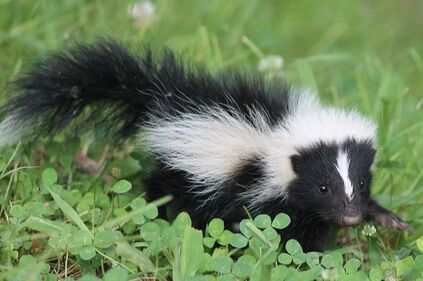 Baby striped skunk. Photo by Kevin VanGorden, USDA Forest Service. Baby striped skunk. Photo by Kevin VanGorden, USDA Forest Service. Skunks aren’t aggressive, but they’ll spray dogs that get too close. Skunk spray is a smelly nuisance that doesn’t usually cause medical problems. However, it’s irritating to the eyes and in rare cases can cause more serious problems.
Dogs are most likely to encounter skunks during warm months. In North Carolina, skunk breeding season is February through April; kits are born in May and June. Skunks live in cities like Charlotte, not just in rural areas. You might not see them often—or at all—because they’re most active at night. They live in wooded or brushy areas and raid garbage cans in residential neighborhoods. Skunk Spray Skunk spray is thick, oily material secreted from the anal glands. The nasty smell comes from thioacetates and thiols, chemical compounds that contain sulfur—the same element that makes rotten eggs so stinky. Thioacetates (the less smelly compounds) are converted to thiols (super smelly) when they’re exposed to water, and sulfur atoms tend to bind tightly to other atoms, so removing skunk odor from fur can be difficult. Because water activates the thiol conversion, a dog that’s been skunked can smell skunky after baths for a long time. Skunks can control their anal glands in ways that dogs and cats can’t. They can aim their anal gland spray at a target several feet away, or they can release a cloud of mist. Baby skunks can spray targets too. Risks to Dogs Spray Skunk spray in the eyes can cause redness, eyelid swelling, corneal damage, and temporary blindness. Inhaled skunk spray irritates the respiratory tract. The spray can also cause nausea and vomiting. Dogs sprayed by a skunk can develop life-threatening hemolytic anemia, although fortunately this is rare. The compounds in skunk spray can destroy red blood cells. The risk is likely highest for dogs that swallow the spray, dogs exposed to a large volume, and dogs with multiple exposures. Dogs with hemolytic anemia often need to be hospitalized at a 24-hour clinic and might need a blood transfusion. Bite Wounds and Rabies Skunks are a relatively common rabies carrier species in North Carolina. However, the chance that an individual skunk has rabies is low. Rabies is spread through saliva, not through skunk spray. Most dogs that encounter a skunk are sprayed before they get close enough to be bitten. Still, any dog that has been near a skunk should be checked carefully for bite wounds. Dogs with a bite wound need to see a veterinarian immediately for wound care and assessment of rabies risk. In North Carolina, dogs with a possible rabies exposure (for example, a bite wound from a rabies carrier species) need a rabies vaccine booster within 96 hours. What to Do if Your Dog Gets Skunked Most dogs sprayed by skunks don’t need to see a veterinarian. Monitor your dog for a few days and seek veterinary care if your dog has any of the following:
Deskunk your dog:
Prevention Keep your dog’s rabies vaccine up to date and make your yard unattractive to skunks:
For More Information
Image source: https://www.flickr.com/photos/lblkytn/14928066475/ Laurie Anne Walden, DVM Photo by Rafaëlla Waasdorp on Unsplash Photo by Rafaëlla Waasdorp on Unsplash All dogs are at risk for leptospirosis and should be vaccinated for it every year, according to updated recommendations from the American College of Veterinary Internal Medicine (ACVIM).
Leptospirosis is caused by infection with Leptospira bacteria. The infection spreads from animals to humans, so leptospirosis is a public health hazard. Leptospirosis is a serious disease that damages the kidneys and other organs. The leptospirosis vaccine for dogs has previously been considered a lifestyle vaccine, given to dogs with certain risk factors but not necessarily to all dogs. Information about how the disease spreads has improved over the years, so the ACVIM now says that all dogs, regardless of their lifestyle and location, should receive the vaccine. Transmission Leptospira spread mainly through urine. Many wild and domestic animal species carry the bacteria and deposit them in the environment. Rats and other rodents are the most common carriers. Leptospira grow best in water and wet soil. Dogs with access to bodies of water, especially in warm climates, are at higher risk than others. However, the infection can also spread by direct contact (for example, when dogs hunt rodents) and in other ways, so outbreaks have happened among people and dogs living in urban areas and in drier and colder climates. Cats seem to be resistant to leptospirosis, and cases in cats are extremely rare. However, cats might be able to spread the bacteria to other animals. Disease Leptospirosis affects many organ systems. These are some of the most serious problems it causes:
These are some of the signs of infection:
Diagnosis and Treatment Leptospira can be hard to detect with laboratory tests. Definite diagnosis might require multiple blood and urine tests to isolate bacterial DNA and measure antibody titers. Dogs with suspected leptospirosis also receive baseline bloodwork, urinalysis, and chest radiographs. Leptospirosis is treated with antibiotics. Additional treatments depend on the individual patient’s course of illness and the organ systems affected. Some dogs with kidney injury caused by leptospirosis need dialysis. The risk of a person contracting leptospirosis directly from an infected dog is low because dogs don’t shed many Leptospira organisms in their urine. However, people caring for a dog with leptospirosis need to take precautions like avoiding contact with the urine, wearing protective clothing, and washing hands. Vaccination The doctors at Mallard Creek recommend that all dogs receive a leptospirosis vaccine starting at 9 weeks of age. Dogs need a booster vaccine 3 to 4 weeks later and then once a year. Leptospirosis vaccines are not all the same. Leptospira have many different variations, or serovars, and vaccines target only specific serovars. However, some don’t cover the serovars currently causing disease in dogs in the United States. Your veterinarian can advise you on the best vaccination plan for your own dog. Source Sykes JE, Francey T, Schuller S, Stoddard RA, Cowgill LD, Moore GE. Updated ACVIM consensus statement on leptospirosis in dogs. J Vet Intern Med. 2023;37(6):1966-1982. doi:10.1111/jvim.16903 Image source: https://unsplash.com/photos/a-dog-running-through-a-field-of-yellow-flowers-SEGsw2Kmd08 Laurie Anne Walden, DVM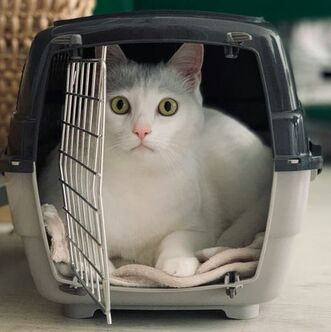 Photo by Anatolii Kozhukhar on Unsplash Photo by Anatolii Kozhukhar on Unsplash Many dogs and cats experience fear, anxiety, and stress at the veterinary clinic. Their anxiety often begins before they even arrive at the clinic, especially if they associate pet carriers and car rides with the clinic. Previsit antianxiety medications for pets can make clinic visits easier and safer for these pets, their owners, and clinic staff.
These are some of the benefits of previsit medications for anxious pets:
Previsit medications have benefits for pet owners and clinic staff members too. Being the caretaker of an anxious and fearful pet isn’t easy, so previsit medications for pets can reduce everyone’s stress levels. For clinic staff members, managing patients’ clinic anxiety reduces the risk of injury and decreases workplace stress (we love animals too and don’t want to cause them distress). How to Know if Your Pet Needs Previsit Medications Previsit medications aren’t just for aggressive animals. Pets with more subtle signs of stress are scared too, and they deserve help for their anxiety just as much as animals that can’t be handled without full sedation. If your pet shows obvious signs of fear at the clinic, you probably already know that your pet would benefit from previsit medications. But maybe your pet’s signs are not as noticeable and you’re a little surprised when your veterinarian recommends medications. Dogs and cats show anxiety and fear with a range of behaviors and body language cues. Anxious and fearful dogs and cats tend to start with subtle behaviors like lip licking or freezing. If the scary thing doesn’t go away—or tries to draw a blood sample—the behavior can escalate to aggression. Dogs and cats that are anxious at the veterinary clinic can show these signs:
How to Use Previsit Medications Previsit medications work best if they’re used along with training and positive reinforcement. For example, a cat can make positive associations with the cat carrier if the carrier is left out all the time as part of the normal household furniture, sometimes with yummy treats inside, instead of appearing only when the cat is going to the clinic. Veterinarians choose previsit medications according to the needs and medical condition of the individual patient. Some of the drugs commonly prescribed for situational (short-term) anxiety are gabapentin, trazodone, and clonidine. Motion sickness contributes to anxiety, so pets might also receive antinausea medication. Some of these medications can cause sedation, but the main goal is anxiety reduction, not sedation. Previsit medications are timed to have maximum effect at the time of the clinic visit. They need to take effect before the pet experiences any stress. Most of these medications are given at least 1 to 2 hours before the clinic visit; sometimes a loading dose is also given the night before. They typically last for up to 8 hours, although the duration can vary. Because individual animals respond differently to these medications, giving a trial dose can be very helpful. If you use a trial dose, tell your veterinarian how long it took for the medication to take effect, how the medication affected your pet’s behavior, whether your pet had adverse effects like vomiting or excessive sedation, and how long the medication’s effects lasted. For some dogs and cats, previsit medications aren’t enough to overcome their fear. These pets might also need a sedative injection at the clinic. For these pets, previsit medications given at home make the sedative injection easier for the pet (and staff) and can also reduce the dose of injectable drug. Image source: https://unsplash.com/photos/a-white-cat-sitting-inside-of-a-cage-B-_SyRxv2So Laurie Anne Walden, DVM Photo by Hal Gatewood on Unsplash Photo by Hal Gatewood on Unsplash Over-the-counter (nonprescription) pain medications can cause serious problems for dogs and cats. Because these medications don’t need a prescription and are used for children as well as adults, some pet owners mistakenly believe that they’re safe for animals too. But dogs and cats don’t process these drugs the same way as humans.
If your pet has signs of pain, call your veterinarian instead of giving your pet something from your medicine cabinet. Prescription pain medications developed specifically for dogs and cats are safer and more effective for them than over-the-counter human medications. In any case, animals that have a level of pain high enough to be obvious to a human need to see a veterinarian. Nonsteroidal Anti-Inflammatory Drugs (Aspirin, Ibuprofen, Naproxen) The most common human nonsteroidal anti-inflammatory drugs (NSAIDs) available without a prescription are aspirin, ibuprofen, and naproxen. Some brand names are Advil, Aleve, Ascriptin, Bayer, Bufferin, Ecotrin, Midol, and Motrin. In animals, NSAIDs can cause these problems:
NSAIDs reduce inflammation by blocking the activity of cyclooxygenase (COX) enzymes, which are responsible for prostaglandin production. Prostaglandins are hormone-like substances with many functions; they’re involved in the inflammatory response and also protect the stomach lining and maintain blood flow to the kidneys. Because NSAIDs decrease prostaglandin levels, these medications decrease inflammation and pain. However, the lower prostaglandin levels can also cause serious adverse effects like stomach ulcers and kidney damage. Some newer NSAIDs target specific COX enzymes and prostaglandins that are less likely to affect the stomach and kidneys. Several NSAIDs have been approved for use in dogs, and a few are available for cats. Examples are carprofen, grapiprant, deracoxib, and robenacoxib. These species-specific drugs are available only by prescription from a veterinarian and are less likely than human NSAIDs to cause adverse effects in dogs and cats. Animals receiving prescription NSAIDs need regular examinations and bloodwork to monitor kidney and liver function. Acetaminophen Brands containing acetaminophen include Tylenol, Panadol, Excedrin, and Midol. Some pain relievers labeled “complete” or “dual action” contain acetaminophen plus aspirin or ibuprofen. Acetaminophen is also called paracetamol. Acetaminophen is highly toxic and often fatal to cats. Acetaminophen is also potentially toxic to dogs, but it can be used in dogs with caution and veterinary oversight. In humans and dogs, acetaminophen is broken down mainly in the liver through a process called glucuronidation. A toxic dose of acetaminophen in a human or a dog damages liver cells and causes liver failure. Cats don’t have the enzymes needed for glucuronidation, so their bodies break down acetaminophen through a different process called sulfation. The sulfation process in cats creates products that react to hemoglobin, the substance within red blood cells that carries oxygen throughout the body. In cats, acetaminophen exposure causes anemia and life-threatening oxygen deficiency. Cats that swallow acetaminophen are less likely than dogs to develop liver failure because they usually die of oxygen deficiency before the liver has a chance to fail. An antidote to acetaminophen (N-acetylcysteine) is available, so dogs and even cats with acetaminophen poisoning can recover if they are treated immediately at an emergency veterinary clinic. For More Information Get the Facts About Pain Relievers for Pets (US Food and Drug Administration): https://www.fda.gov/animal-veterinary/animal-health-literacy/get-facts-about-pain-relievers-pets Image source: https://unsplash.com/photos/round-white-pills-iPl3q-gEGzY Laurie Anne Walden, DVM Photo by Anya Prygunova on Unsplash Photo by Anya Prygunova on Unsplash In recent years, monoclonal antibodies have been approved to treat some common medical conditions in animals:
More monoclonal antibodies are likely to become available for dogs and cats. Monoclonal antibodies are used in humans to treat infections, autoimmune disorders, cancer, and other conditions, and they’re being investigated for similar uses in dogs and cats. How Monoclonal Antibodies Work Monoclonal antibodies are in a therapy class called biologics, meaning therapies made from living sources like animal cells, plant cells, or microorganisms. Biologics are large molecules that interact with receptors on the outer surfaces of cells; they don’t enter cells. In contrast, most traditional drugs are small molecules that work inside cells. Monoclonal antibodies are similar to the natural antibodies produced by the immune system. When the immune system detects an antigen, different immune cells release lots of different antibodies that tag different sites on that antigen. (An antigen is anything that triggers an immune response.) Once the antibodies have tagged the antigen, other components of the immune system arrive to destroy it. Monoclonal antibodies are cloned in a laboratory from just one antibody made by one type of immune cell (mono means “one”). They tag only a single site on an antigen. Monoclonal antibody therapy can be very precise because it directs the immune response to a narrow target. In addition to tagging invaders like viruses, monoclonal antibodies can be engineered to tag a receptor on an animal’s own cells. The monoclonal antibodies that relieve pain in dogs and cats, for example, block production of a protein that’s partly responsible for the pain sensation. After monoclonal antibodies have activated the immune system, they’re broken down in the body the same way that natural antibodies are. Unlike small-molecule drugs that enter an animal’s cells, they aren’t cleared through the liver or kidneys. Administration Monoclonal antibodies are given by injection at a veterinary clinic. They can’t be given by mouth because they’re proteins and would be destroyed by digestion. Their effect lasts a few weeks (4-8 weeks for Cytopoint, 4 weeks for Solensia and Librela). These therapies are species specific: monoclonal antibodies for dogs work only for dogs, not for cats. Benefits The monoclonal antibodies that are available for dogs and cats generally work well for their approved uses. They are less likely than some traditional drugs to cause adverse effects because they have a narrow target of action and don’t enter cells. Because they are not cleared through the liver or kidneys, they can be safer than other drugs for animals with liver or kidney disease. Injections given every few weeks might be more convenient for pet owners than pills given multiple times a day, especially if their pets resist oral medication. Adverse Effects Monoclonal antibodies have fewer adverse effects than many traditional drugs. An antibody injection can cause an allergic reaction, although this is rare. Manufacturers might recommend precautions for individual monoclonal antibody products. Image source: https://unsplash.com/photos/a-dog-wearing-a-baseball-glove-E3K7xyAvQ8M Laurie Anne Walden, DVM Photo by Kanashi on Unsplash Photo by Kanashi on Unsplash Vestibular disorders cause problems with balance and coordination. Animals with vestibular disorders typically have a head tilt along with stumbling, walking in circles, and possibly vomiting.
Vestibular problems that start suddenly can look scary to pet owners. The signs can be mistaken for stroke. Some conditions that cause vestibular problems are serious, even life-threatening; others are relatively minor. One of the most common vestibular disorders in dogs is a benign condition called idiopathic vestibular syndrome (idiopathic means “of unknown cause”). This condition is not serious and gets better on its own with time. Idiopathic vestibular syndrome most often affects senior dogs, so in dogs it’s also known as old dog vestibular disease. Cats can also develop idiopathic vestibular syndrome. Causes The vestibular system includes the brainstem, cerebellum (part of the brain), inner ear, and nerves that conduct signals between the inner ear and brain. Anything that affects any part of this system can cause vestibular signs. Vestibular disorders are either central (related to the brainstem and cerebellum) or peripheral (related to the inner ear and surrounding nerves). Central vestibular disorders are usually much more worrisome than peripheral vestibular disorders. Idiopathic vestibular syndrome is a peripheral vestibular disorder. The exact cause in dogs isn’t known. Similar conditions in humans are caused by inflammation of the inner ear or surrounding nerves, viral infections, and benign positional vertigo (an inner ear problem). These same causes are possible but not proven in dogs. Some of the other causes of vestibular disease in animals are deep ear infections (common), cancer, drug adverse effects, toxins, systemic disorders like hypothyroidism, meningitis, and other neurologic disorders. Signs These are the typical signs of a vestibular disorder:
Idiopathic vestibular syndrome usually affects older dogs and cats. It begins suddenly and then starts to improve within a few days. The signs are most pronounced on the first day and don’t get worse with time. In most animals, the signs disappear after a couple of weeks, although the head tilt can last much longer. Other diseases that affect the vestibular system cause signs of their own. For example, a central vestibular disorder might cause seizures or changes in consciousness. Vestibular signs that get worse with time are a signal that the animal has something other than idiopathic vestibular syndrome. Diagnosis Idiopathic vestibular syndrome is a diagnosis of exclusion: it’s diagnosed after other possibilities are ruled out. Diagnosis begins with a neurologic examination, eye and ear examinations, baseline bloodwork, and usually a thyroid function test and urinalysis. Depending on the results, the animal might need referral to a veterinary neurologist and advanced tests like magnetic resonance imaging of the head or cerebrospinal fluid analysis. Treatment For idiopathic vestibular syndrome, the goal of treatment is to make the patient comfortable until the condition resolves on its own. Most animals receive prescription antinausea medication; some also need appetite stimulants or fluid therapy. Home care includes making sure they can eat and drink and protecting them from falling down steps or bumping into things like furniture corners. Physical therapy and postural maneuvers that are used to help people with vertigo aren’t commonly used in animals. Prognosis Most animals with idiopathic vestibular syndrome recover completely, although some have a permanent head tilt afterward. Some animals have more vestibular episodes later on. For vestibular signs that aren’t caused by idiopathic vestibular syndrome, the prognosis depends on whether the cause is treatable. Sources
Image source: https://unsplash.com/photos/brown-and-black-german-shepherd-Xy7SLX9zuVM Laurie Anne Walden, DVM Photo by Anna Shvets on Pexels Photo by Anna Shvets on Pexels Home dental care is a crucial part of keeping dogs’ and cats’ mouths healthy. But many pet owners are reluctant to brush their pets' teeth (and brushing is not safe with animals that might bite), so the market is full of products that claim to clean teeth or freshen breath without brushing.
Some home dental care products work pretty well, some don’t work at all, and a few pose safety risks for pets. Here’s how to choose dental products for your pet. The Point of Home Dental Care The goal of cleaning your pet’s teeth at home is to remove plaque. Plaque, a sticky biofilm that contains millions of bacteria, attaches to tooth surfaces. Dental disease in dogs and cats is caused by plaque under and at the edges of the gums, not by tartar (hardened plaque) that you can see on tooth surfaces. Like humans, pets need a combination of professional dental cleanings and home dental care. Home dental products can’t remove tartar or treat dental conditions like periodontal disease. Some products make gum inflammation worse. Tartar and dental diseases require a dental procedure with general anesthesia at a veterinary clinic. When to Use Dental Products If your pet has smelly breath, visible tartar, bleeding gums, loose teeth, missing teeth, or signs of mouth pain, this is not the time to go shopping for dental products. This is the time to take your pet to the veterinarian and then schedule a dental procedure if your veterinarian recommends it. The time to start home dental care is when it will be effective and not painful for your pet, which means before your pet develops dental disease or after dental disease has been treated. It’s ideal to train puppies and kittens to have their teeth brushed while they’re young so they will build positive associations with dental care. If your pet has dental disease, talk to your veterinarian about the timing of home care; it’s usually best to start about a week after a dental procedure to give the gums time to heal. Active vs Passive Plaque Removal (How Much Work You Have to Do) Home plaque removal products fall into 2 categories: active and passive. With active plaque removal, the pet owner cleans the teeth with toothbrushes, toothpaste, or dental wipes. Passive plaque removal relies on chewing and doesn’t directly involve the pet owner; these are products like dental diets, treats, and chews. Many of us would love to use only passive dental care because tossing a treat to a dog is easier than brushing the dog’s teeth. (This is why the dental care aisle of the pet store has about 3 hooks for toothbrushes and 20 linear feet of toys and chews.) But passive dental care alone isn’t enough to keep a pet’s mouth healthy. Passive dental care products are best used along with professional cleanings when tooth brushing isn’t appropriate. Active plaque removal products have been shown to be most effective on the front teeth (the teeth the owner can easily reach). Passive plaque removal is generally most effective on the back teeth (the teeth used for chewing). Therefore, your veterinarian might recommend that you use more than one dental care product. Look for Veterinary Oral Health Council Seal Products that have the Veterinary Oral Health Council (VOHC) seal of acceptance have been shown to be effective for plaque or tartar control. The VOHC doesn’t test products; they review data submitted by product manufacturers. Some products that work, like most toothbrushes, haven’t been submitted to the VOHC, so lack of a seal doesn’t necessarily mean that a product is useless. However, looking for the VOHC seal is a good place to start. You can find lists of accepted products on the VOHC website: https://vohc.org/. Product Types Toothbrushes and toothpaste:
Dental rinses:
Dental chews, toys, diets, and treats:
Water additives:
Sources
Image source: https://www.pexels.com/photo/person-using-a-toothbrush-on-dog-with-shower-cap-4588018/ Laurie Anne Walden, DVM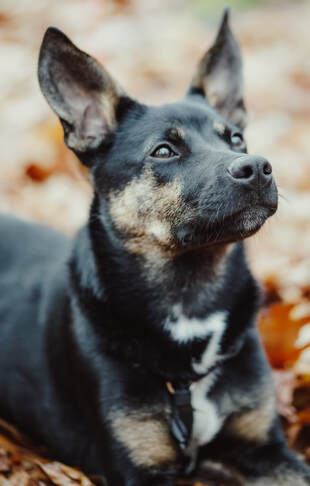 Photo by Jonny Neuenhagen on Unsplash Photo by Jonny Neuenhagen on Unsplash The prostate gland grows and develops in response to testosterone and related male sex hormones. Almost all prostate disease that we see in companion animal practice is in intact (not neutered) dogs.
In male animals, neutering means surgical removal of the testicles (castration). Some prostate diseases can affect neutered animals, but these are rare. Most pet male cats in the United States are neutered, so prostate disease is much less common in cats than in dogs. Benign Prostatic Hyperplasia Because the prostate can keep growing as long as it’s exposed to testosterone, most intact male dogs eventually develop enlargement of the prostate, or benign prostatic hyperplasia (BPH). About half of intact male dogs have microscopic evidence of BPH by the time they’re 4 years old; more than 90% have it by the time they’re 8. Most dogs with BPH have no signs of the condition and don’t need treatment. Signs can include blood in the urine, straining to urinate or defecate, and constipation. BPH can reduce the fertility of breeding dogs. In some dogs, an enlarged prostate can be detected with rectal palpation. Ultrasonography is used to measure the prostate and make the diagnosis. Depending on the dog’s signs and test results, samples of prostate fluid or prostate cells might be sent to a laboratory to rule out other prostate disorders. For dogs whose prostate enlargement is causing a problem, the treatment is to eliminate exposure to testosterone, typically with castration. Medications that block the effects of testosterone on the prostate are available for breeding dogs that need to keep their testicles. Prostatitis Dogs with BPH are prone to develop prostatitis, which is infection of the prostate. Prostatitis is fairly common in intact male dogs and rare in neutered male dogs. The signs of prostatitis depend on whether the condition is acute (has just begun) or chronic (has been going on for a long time):
Prostatitis is suspected in any intact male dog with compatible signs—especially if rectal palpation is painful—or repeated urinary tract infections. Diagnostic tests include blood tests, urinalysis, ultrasonography of the prostate, and culture of prostate fluid. Some dogs with prostatitis also have abscesses of the prostate, and these can be seen with ultrasonography. The treatment for prostatitis is several weeks of antibiotics along with treatment of the underlying BPH, which means castration for most dogs. Dogs that are ill with acute prostatitis sometimes need to be hospitalized. Abscesses of the prostate might require surgical drainage. Prostate Cancer Prostate cancer is rare but unfortunately very serious in dogs. The types of prostate cancer that dogs get aren’t linked to testosterone level, so castration does not protect dogs against prostate cancer (it’s actually more common in neutered dogs for unknown reasons). The screening tests and treatments for prostate cancer that are used in men don’t work in dogs. Prostate cancer in dogs tends to be aggressive, is metastatic (spreads through the body), and is usually diagnosed at a late stage. Treatment options other than palliative care are limited; a veterinary oncologist is the best source of advice for an individual dog. Sources Christensen BW. Canine prostate disease. Vet Clin North Am Small Anim Pract. 2018;48(4):701-719. doi:10.1016/j.cvsm.2018.02.012 Palmieri C, Fonseca-Alves CE, Laufer-Amorim R. A review on canine and feline prostate pathology. Front Vet Sci. 2022;9:881232. doi:10.3389/fvets.2022.881232 Image source: https://unsplash.com/photos/black-and-white-short-coated-dog-tKtYHZ13yls |
AuthorLaurie Anne Walden, DVM Categories
All
Archives
June 2024
The contents of this blog are for information only and should not substitute for advice from a veterinarian who has examined the animal. All blog content is copyrighted by Mallard Creek Animal Hospital and may not be copied, reproduced, transmitted, or distributed without permission.
|

- Home
- About
- Our Services
- Our Team
-
Client Education Center
- AKC: Spaying and Neutering your Puppy
- Animal Poison Control
- ASPCA Poisonous Plants
- AVMA: Spaying and Neutering your pet
- Biting Puppies
- Boarding Your Dog
- Caring for the Senior Cat
- Cats and Claws
- FDA warning - Bone treats
- Force Free Alliance of Charlotte Trainers
- Getting your Cat to the Vet - AAFP
- Holiday Hazards
- How To Feed Cats for Good Health
- How to Get the Most Out of your Annual Exam
- Indoor Cat Initiative - OSU
- Introducing Your Dog to Your Baby
- Moving Your Cat to a New Home
- Muzzle Training
- Osteoarthritis Checklist for Cats
- What To Do When You Find a Stray
- Our Online Store
- Dr. Walden's Blog
- Client Center
- Contact
- Cat Enrichment Month 2024
 RSS Feed
|
Office Hours
Monday through Friday 7:30 am to 6:00 pm
|
Mallard Creek Animal Hospital
2110 Ben Craig Dr. Suite 100
|
Site powered by Weebly. Managed by IDEXX Laboratories