
Laurie Anne Walden, DVM 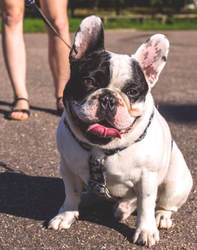 Summer is rapidly approaching, and it’s already hot outside. Even when the weather is moderately warm, the temperature inside a parked car can rise dangerously high. Heat and humidity put dogs at risk of heat stroke, which can be fatal.
Dogs rely mostly on panting to cool themselves (they sweat only a little from their paw pads). But panting isn’t always enough to keep a dog’s body temperature in the normal range, from about 100°F to 103°F. As the body temperature rises above normal, dogs can develop heat exhaustion. Heat stroke (in dogs) is defined as a body temperature over 105.8°F along with central nervous system dysfunction. Heat stroke is a serious medical emergency and has a reported death rate of about 50% in dogs. It damages the brain, kidneys, heart, intestines, and other internal organs, and it causes blood clotting disorders. Causes of heat stroke Heat stroke is caused either by exposure to heat and humidity or by strenuous physical exertion. These are situations that commonly lead to heat stroke in dogs:
Justine Lee, DVM, DACVECC, an emergency veterinary medicine specialist, recommends not exercising with your dog if the temperature (in Fahrenheit) plus the humidity level is over 150. So when the temperature is 80°F and the humidity level is 80%, it’s too hot to take your dog on a run (80 + 80 = 160). Dogs at risk Although any dog can develop heat stroke, the risk is higher in dogs with these conditions:
Signs of heat stress Dogs start showing signs of heat exhaustion before they develop full-blown heat stroke. Watch for the warning signs, which become more severe as heat stroke sets in:
If you see signs of heat exhaustion in your dog, carry him to a cooler place immediately; at least get him into the shade. Wet him down with cool water (ice is not necessary) and give him water if he’s able to drink on his own. Take him to a veterinary clinic right away if he has any of the more severe signs or if you’re not sure whether he’s OK after a few minutes. It’s much better to take in a dog who turns out to be fine than to delay treatment for a dog who has heat stroke. Preventing heat stroke
Sources
Photo by Kasia Koziatek Laurie Anne Walden, DVM  Juvenile southern copperhead. Photo by James Gathany, CDC. Juvenile southern copperhead. Photo by James Gathany, CDC. It’s snake season in North Carolina. Snakes are most active in the early spring through fall, and dogs that accidentally disturb snakes sometimes get bitten. Although a bite from a venomous snake is a medical emergency, try not to panic if it happens to your dog.
North Carolina snakes North Carolina is home to about 37 snake species. Most are nonvenomous. Don’t run for the hoe if you see a snake in your yard; chances are it’s a nonvenomous snake that’s helping control the rodent population. Six venomous snake species live in North Carolina: copperheads, cottonmouths, 3 rattlesnake species, and coral snakes. Copperheads are by far the most common. In our state, venomous snakebites are usually from copperheads. Rattlesnakes and possibly cottonmouths can also be found in the Piedmont. Coral snakes are rare and live in the southeastern part of the state. See photos of NC snakes here: http://herpsofnc.org/snakes/. Symptoms of snakebite Nonvenomous bites: Nonvenomous snakes may bite if they are provoked. These bites may look like small abrasions or punctures in the shape of a horseshoe (if they’re visible at all). Venomous snakes sometimes bite without injecting any venom. Nonvenomous bites typically don’t require medical attention unless they become infected. Venomous bites: Venomous bites are easy to diagnose if you see a snake bite your dog. Diagnosis is a little trickier if the bite isn’t witnessed. Fractures, abscesses, and insect bites can cause symptoms similar to those of snakebite. Copperheads, rattlesnakes, and cottonmouths are all pit vipers belonging to the family Crotalidae. These snakes inject venom through 2 long fangs. The puncture wounds might or might not be visible through a dog’s fur. Crotalid venom causes significant tissue damage at the bite site. Copperhead venom is typically less toxic than rattlesnake and cottonmouth venom. The severity of symptoms depends on the size of the dog, the amount of venom delivered, and the location of the bite (for example, bites to the face or neck can cause swelling that obstructs breathing). Symptoms that usually appear right away include the following:
Crotalid venom can also interfere with blood clotting. The venom of some rattlesnake species (not native to North Carolina) damages the nervous system. Coral snakes are in the family Elapidae, like cobras and mambas. Elapid venom targets the nervous system and can paralyze the muscles of breathing. Bites from coral snakes are serious medical emergencies but luckily are very rare. If your dog is bitten by a snake Stay as calm as possible; this will help your dog stay calm too. Limit your dog’s movement by carrying him to your car (if possible) instead of having him walk. Snakebites can be extremely painful, so you may need to muzzle your dog before handling him to prevent him from biting in response to pain. Take your dog to a veterinary hospital without delay. Treatment of crotalid bites depends on the severity of symptoms, and your dog will probably need to be hospitalized. Copperhead bites do not necessarily require antivenin. The decision to use antivenin depends on the individual case and the severity of symptoms. Do not try first aid techniques that you might have read about. These can worsen the tissue damage caused by crotalid venom and delay transport to a veterinarian.
Don’t try to kill or capture the snake. You risk being bitten yourself if you do. Snake identification is not necessary for treatment. Nearly all venomous snakebites in Mecklenburg County are from copperheads, but the treatment is similar for all pit viper bites. Crotalid antivenin is polyvalent, meaning the same antivenin treats copperhead, rattlesnake, and cottonmouth bites. Preventing snakebites The best way to avoid being bitten is to leave snakes alone. Copperheads are not aggressive and do not typically bite except in defense. Dogs may stumble upon snakes by accident, though, so take the following measures to reduce the risk:
For more information, check out the Snakes of North Carolina section of the NC Cooperative Extension website and the Carolinas Poison Center website. Image credit: CDC/James Gathany Laurie Anne Walden, DVM  Do you know which common plants are toxic to dogs and cats? Spring is just around the corner and Poison Prevention Week is the third week of March, so this is a good time to discuss plant hazards in the house and yard.
This article covers only a few of the plants that are dangerous to dogs and cats. For more complete lists, see these websites:
If you think your pet may have licked or swallowed a plant or other toxic substance, contact your veterinarian or call one of the 24-hour animal poison control hotlines (a fee may apply):
Azalea, rhododendron All parts of these plants are toxic to pets. Ingestion can cause vomiting, diarrhea, muscle weakness, convulsions, coma, and death. Crocus Autumn crocus (Colchicum autumnale) and spring crocus (Crocus species) are 2 different types of plant. Autumn crocus is in the Liliaceae family. All parts of the autumn crocus are highly toxic to pets, even in small amounts. Ingestion can cause vomiting, bloody diarrhea, organ damage, shock, and death. Symptoms may not appear until a few days after ingestion. Spring crocus is in the Iridaceae family. These plants are not particularly toxic, although dogs and cats that eat them can develop drooling, vomiting, and diarrhea. Cyclamen Cyclamen is a common flowering houseplant. The tubers (roots) are the most toxic part. Dogs and cats that eat any part of the plant can develop vomiting and diarrhea. Ingestion of large amounts can cause heart rhythm abnormalities, seizures, and death. Daffodil, jonquil, paperwhite, amaryllis Dogs and cats that eat bulbs of Narcissus species can develop vomiting, diarrhea, and belly pain. Ingestion of large quantities can lead to problems with breathing and heart rhythm. Dieffenbachia Dieffenbachia (dumbcane) contains substances that cause severe mouth and throat pain. Ingestion can also cause nausea and trouble swallowing. Hyacinth, tulip Ingestion of hyacinth (Hyacinthus species) or tulip bulbs can cause mouth irritation, vomiting, and diarrhea. Dogs that dig up the bulbs or find a bag of stored bulbs may eat large quantities and have more severe symptoms. Grape hyacinths are a different genus (Muscari) and are not toxic. Iris Ingestion of iris rhizomes (bulbs) can cause vomiting, diarrhea, drooling, and lethargy. Kalanchoe These flowering houseplants contain substances that cause stomach upset and, in higher doses, heart rhythm abnormalities and tremors. Lily Don’t bring lilies into your house if you have cats! Some are extremely dangerous for cats, even in small amounts. “True” lilies (Lilium and Hemerocallis species) contain a toxin that can cause fatal kidney failure in cats. Some examples are Easter lilies, Asiatic lilies, daylilies, stargazer lilies, and tiger lilies. All parts of these plants are poisonous to cats, and even pollen licked from a paw or water licked from a vase can be toxic. These lilies do not cause kidney failure in dogs. If your cat ingests any part of a lily, seek veterinary care immediately (bring the plant with you for identification). For more information, see No Lilies for Kitties on the Pet Poison Helpline website. Calla lilies, peace lilies, and Peruvian lilies (Alstroemeria) are not true lilies and do not contain the agent that causes kidney failure. However, ingestion can cause mouth irritation and stomach upset in both dogs and cats. Lily of the valley Lily of the valley (Convallaria majalis) contains toxins called cardiac glycosides, which cause serious heart rhythm abnormalities. Ingestion of lily of the valley may be fatal. Other symptoms are vomiting, painful abdomen, and diarrhea. Cardiac glycosides are also present in foxglove (Digitalis species), kalanchoe, milkweed, and oleander. Marijuana The Pet Poison Helpline reports a 448% increase in marijuana cases in pets in the past 6 years. Pets can be poisoned by eating food that contains marijuana, being exposed to smoke, or ingesting the plant itself. Marijuana poisoning can cause drooling, vomiting, diarrhea, stumbling, lethargy, incontinence, changes in heart rate, seizures, coma, and death in pets. Oleander All parts of the oleander plant contain cardiac glycosides. Oleander ingestion can cause heart rhythm problems, rapid heart rate, vomiting, diarrhea, and death. Sago palm Sago palm is extremely toxic to dogs and cats. It is also called fern palm or cycad (Cycas and Zamia species). This plant grows outdoors in warm regions and is also used as an ornamental houseplant. The seeds are the most poisonous part of the plant, but all parts contain the toxic agent. Ingestion causes liver failure, vomiting, diarrhea, abdominal pain, seizures, and death. According to the Pet Poison Helpline, only about half of animals that ingest sago palm survive. ASPCA Poison Control reports that ingestion of 1 or 2 seeds can be fatal. Sources: Brownie CF. Houseplants and ornamentals. Merck Veterinary Manual website. Accessed March 9, 2018. Brownie CF. Range plants of temperate North America. Merck Veterinary Manual website. Accessed March 9, 2018. Poisonous plants. ASPCA Animal Poison Control website. Accessed March 9, 2018. Top 10 plants poisonous to pets. Pet Poison Helpline website. Accessed March 9, 2018. Laurie Anne Walden, DVM  Cold weather can be hazardous to pets. Fur is not enough to protect pets when the temperature plummets, even if they spend most of their time outdoors when it's warmer. If it’s too cold for people to be outside for very long, it’s too cold for dogs and cats too.
Some cities have regulations stating that animals cannot be left outdoors when the temperature falls below a certain point. Charlotte-Mecklenburg’s animal ordinance is more general: “Animals must have an adequate shelter so that the animal can be protected from extremes of weather (heat, cold, rain, etc.) and able to remain dry and comfortable.” Use common sense when deciding how long your pets can be outdoors in cold weather. Know your pets’ limitations Some pets are more tolerant of cold weather than others. Body condition, coat type, age, and health all affect an animal’s ability to withstand low temperatures. A healthy 3-year-old Siberian husky can handle the cold more easily than an arthritic 11-year-old greyhound, but even the husky is susceptible to hypothermia if left outside too long. Medical conditions like heart disease and thyroid disease can make it harder for pets to regulate their body temperature. Pets with arthritis may be more likely to fall if they encounter icy patches. Very young and very old animals can also have trouble managing temperature extremes. These pets can go outdoors in the cold, but their time outside should be supervised and shorter than usual. Watch for signs that your pet is having trouble with the cold:
Bring them indoors It’s fine to let healthy dogs play outdoors in the cold for a while, but they shouldn’t stay out for a long time. In weather as cold as we’ve had this past week, dogs should certainly be indoors at night. How long they can stay outside during the day depends on the dog and the environment. The safest approach is to keep dogs indoors during the day and take them out frequently for supervised exercise. The Humane Society recommends never leaving cats outdoors in cold weather at all. Cats sometimes seek shelter in warm car engines. Bang on the hood of your car and perhaps honk the horn before you start the engine to evict stray cats and wildlife that might have taken refuge under the hood. Wrap them up We’ve seen some spiffy coats and sweaters on dogs coming into the clinic. If you think your pet will be more comfortable in a coat, be sure it fits snugly and has no loose parts that might trap legs or become a chew hazard. Remove wet clothing immediately; it will make pets colder. Keep them safe on walks January is Walk Your Pet Month. Even in cold weather, walking has great health benefits for both you and your dog. Keep dogs on a leash when you’re near bodies of water so they won’t jump in. Wipe their paws when you come indoors to remove ice balls stuck between their paw pads and chemicals used to melt ice on roads. Avoid poisons Ice-melting chemicals and salt are dangerous if swallowed or licked off paws. Keep these products out of reach of your pets. Do not let your pets lick or walk through any liquid that has leaked from a motor vehicle. Even small amounts of antifreeze can be deadly; windshield washing solution is also toxic. More tips: Cold weather pet safety (AVMA) Cold weather safety tips (ASPCA) 7 Tips to keep animals healthy during cold weather (NCSU) Photo by Marcus Löfvenberg Laurie Anne Walden, DVM  Do you like to give holiday gifts to your pets? You don’t have to spend a lot of money to make them happy—as any cat owner whose cat likes the box better than the toy already knows. Rather than listing the latest and greatest toys you can buy at the last minute on Christmas weekend, I’ll discuss a few things you can do for your pets to keep them healthy and stress-free throughout the year.
Toys Toys are an important part of environmental enrichment for both dogs and cats. Environmental enrichment means giving animals objects and experiences that meet their psychological and physical needs. Providing adequate enrichment reduces animals’ anxiety, which in turn reduces unwanted behavior. Consider your pets’ natural instincts when choosing toys. Some dogs enjoy playing fetch; others (like all of the dogs I’ve had myself) would rather watch you do the fetching. Cats are natural predators and need toys that simulate stalk-and-pounce hunting. Behaviorists suggest using toys that provide different types of sensory stimulation (taste, vision, hearing, smell, and touch). For both dogs and cats, rotate toys to prevent boredom. Be mindful of possible choking hazards and monitor your pets while they are playing. Toy ideas for dogs:
Toy ideas for cats:
Exercise Exercise, which can include both walking and interactive play, benefits both you and your pets. Walking your dogs promotes bonding; sending them alone into a fenced yard does not. If you usually play with your pet for only a couple of minutes at a time, consider increasing the interaction time. In one study, owners who played with their cats for bouts of 5 minutes or longer reported fewer cat behavior problems than owners who played with their cats for only 1 minute at a time. Safe Spaces Give your pets indoor hideaways. A safe space can be a crate, a tall cat perch, or a quiet room—anywhere they can get away from visitors, other pets, or loud noises like New Year’s fireworks. Give your pets time to become comfortable with the safe space before a stressful event occurs so they will see it as a retreat, not a punishment. Preventive Care A veterinary blog wouldn’t be complete without mentioning the gift of good health! Fleas, ticks, heartworms, and intestinal parasites (like hookworms and roundworms) are all common in the South. Parasite preventives are safer and more effective than they were in past decades, and keeping your pets free of parasites will also protect your own health. A new toothbrush and pet toothpaste are great stocking stuffers for pets. Regular physical examinations, appropriate vaccinations, and good nutrition will also help keep your pets healthy. Disaster Preparation Plan Give yourself peace of mind and ensure your pets’ safety by preparing in advance for winter storms and unexpected disasters. Plan how you’ll take your pets with you during an evacuation, and consider giving them microchips as permanent identification in case you get separated. See the disaster plan post for more tips. Above all, give your pets lots of love and attention, and have a wonderful holiday! Thanks to the American Association of Feline Practitioners (environmental needs PDF), Clinician’s Brief (environmental enrichment for cats [PDF] and dogs [PDF]), American Veterinary Medical Association, Indoor Pet Initiative, Companion Animal Psychology, and Psychology Today for some of the ideas in this article. Photo by oliverromero Laurie Anne Walden, DVM  The winter holiday season brings some potential hazards for pets. Here are some tips to keep them safe over the holidays.
Decorations Tinsel: Cats like shiny tinsel—and they like to put it in their mouths. Swallowed tinsel can cause dangerous intestinal blockages, so keep tinsel off the tree if you have cats. Other ornaments: Broken ornaments can injure paws. Any swallowed ornament can block the digestive tract. Hang ornaments made from salt dough (or anything else that’s attractive to your pets) out of their reach. Christmas trees: Cats can tip over Christmas trees by climbing them. Consider anchoring your tree to the ceiling or a door frame, possibly with fishing line. If you have a live tree, don’t use water additives. These can harm pets who drink the water. Snow globes and bubble lights: The liquid inside these decorations can be toxic to pets. According to the Pet Poison Helpline, some snow globes contain ethylene glycol (antifreeze), which is extremely dangerous if it’s swallowed. Old-fashioned bubble lights may contain methylene chloride, which is also toxic to pets (and children). Liquid potpourri: Scented oils can cause mouth and digestive tract ulcers, skin irritation, and nausea. Cats are more sensitive than dogs to the toxic effects. Lighting: Don’t leave pets alone in a room with lit candles, and be sure burning candles are out of reach of wagging tails. Keep electrical cords and batteries away from curious or fast-moving pets. Plants: Lilies are highly toxic to cats. Holly, mistletoe, and amaryllis flowers and leaves can cause vomiting and diarrhea when ingested. Amaryllis bulbs and large quantities of mistletoe can cause more serious problems. Poinsettias are only mildly toxic, usually causing mild stomach upset. Christmas cactus is not considered toxic, although ingestion can cause mild vomiting and diarrhea. Christmas tree needles can irritate the digestive tract. Pets that ingest needles or water from Christmas trees may develop vomiting and diarrhea. Food and Alcohol Ask guests not to give your pets human food as treats. Don’t leave alcoholic beverages where pets can reach them, and clear food from the table before you let pets into the room. Cover your kitchen garbage can or take out the trash before your pets have a chance to investigate it. Chocolate, alcohol, grapes, raisins, yeast dough, sugarless candy, onions, bones, and fatty food (including gravy and turkey skin) are some of the foods that are hazardous to pets. See the November post about human foods that are toxic to pets for a more complete discussion. Visitors Give your pets a quiet place indoors (a crate or quiet room) to get away from the hubbub of holiday parties. If retreating to a familiar safe zone is not enough to manage a pet’s anxiety, call us for other options. When visitors are entering and leaving your home, keep an eye on your pets to be sure they don’t escape. Be sure each pet has an identification collar, a microchip, or both. If guests will be bringing pets that yours have not already met, either keep the 2 sets of pets separated or introduce them slowly and watch them closely while they’re together. Travel If your pets are traveling with you out of state or out of the country, familiarize yourself with animal travel regulations. Schedule an appointment for a health certificate examination if needed. Pack a copy of their medical records (such as vaccination history) and all of their medications, including monthly heartworm and flea preventives if they will fall due while you’re traveling. Locate a 24-hour emergency veterinary clinic near your destination. If you are traveling by air, contact the airline in advance in case they have additional requirements. Tranquilizers are not recommended for pets traveling by air. Noise New Year’s Eve fireworks are challenging for pets who are fearful of loud noises. For pets who take antianxiety medication for noise phobia, check your supply and arrange for a refill if needed. See the post about noise phobia for more information. Photo by Spiritze Laurie Anne Walden, DVM 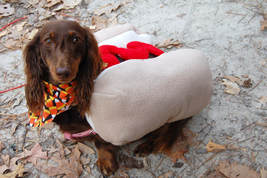 Halloween is just a few days away! It’s a fun holiday, but it can be stressful and even dangerous for some pets. Here are 8 tips to keep your pets safe during the holiday. 1. Keep your pets away from candy! Be sure the candy bowl is out of their reach, and confine them to another part of the house while your children are diving into their treat bags. If your pet eats candy, call a veterinarian right away. These are some of the treats that are hazardous to pets:
2. Watch for other things your pets might swallow, like lollipop sticks and candy wrappers. 3. Bring your cats indoors. 4. Keep your pets in a quiet room away from the front door. If they react to doorbells, consider using one of the tactics that families with sleeping babies in my neighborhood use:
5. Keep glow sticks and glow bracelets away from your pets. These are usually not toxic, but the liquid inside tastes terrible and can cause drooling and pawing at the mouth. 6. If you dress your pet in a costume, be sure the costume doesn’t block its vision, breathing, hearing, or movement. Watch for small parts or loose ends that your pet might swallow. Don't leave a pet in a costume unattended. 7. Keep your pets away from electrical cords and lit candles. 8. Be sure your pets are wearing collars with identification tags or have microchips in case they escape from the house while the door is open. Giving your pets a quiet place indoors to get away from the activity—and away from the candy—is usually the best way to keep them calm and safe during holidays. Happy Halloween! Laurie Anne Walden, DVM What would you do with your pets if you had to evacuate? Hurricanes, tornadoes, and winter storms can affect any part of North Carolina. Fires and other unexpected events can also displace families with little or no warning.
Plan ahead so you can take your pets with you. Don't leave them behind except as a last resort (and never leave them chained outdoors). Bring pets indoors at the first warning of a storm. You might need to be able to find them quickly. Pet identification
Pet-friendly housing Emergency shelters might not be able to accept animals. Locate places you can go with your pets in advance. Consider alternatives to public shelters:
Pet transport Have a leash, harness, or carrier handy for every pet in your household. Be sure you have as many cat carriers as cats. Secure and comfortable crates (large enough to stand up and turn around in) are useful for transporting dogs and might be required at co-located shelters. Emergency kit Prepare an emergency kit and consider keeping a larger set of supplies at home in case you have to shelter in place (for example, during an ice storm). The Federal Emergency Management Agency (FEMA) recommends including these items in a pet emergency kit:
Backup caregivers Discuss your evacuation and pet care plans with friends, neighbors, or relatives. Try to arrange to have someone care for your pets or evacuate them if you can't. A study of an evacuation after a chemical spill in Wisconsin showed that 60% of dogs and cats were not evacuated. Cats were only half as likely as dogs to be evacuated. Failure to evacuate cats was associated with not having cat carriers. Planning for evacuation in advance will help you avoid this kind of logistical problem. For more information The recommendations in this article are from FEMA (also see this brochure [PDF]), the Humane Society of the United States, the American Society for the Prevention of Cruelty to Animals, NC State University, the NC Department of Public Safety, and the NC Department of Agriculture [PDF]. August 31, 2017 Photo by Iler Stoe
 With the Fourth of July and frequent thunderstorms, summer can be tough for pets that are afraid of loud noises. Medication and behavior therapy can help, especially when treatment begins early.
Noise phobia is common in dogs. In some behavior studies, up to half of dogs show fear responses to loud noises. Some dogs are afraid of only one type of sound; others are fearful of several. Fireworks, thunder, and gunshots are common triggers. Vacuum cleaners, construction noise, sirens, and other sounds can also set off fear reactions. Dogs with noise phobia may also have other anxiety disorders like separation anxiety. Some behavior specialists classify storm phobia separately from noise phobia because affected dogs may be sensitive to environmental factors (like changes in barometric pressure) in addition to noise. Storm-phobic dogs often start acting anxious long before the storm arrives. Noise phobia gets worse with time if not treated. Owners sometimes don't seek treatment until a dog's symptoms become severe, but phobias are usually easier to manage while the symptoms are still mild. Signs of noise phobia Being startled by a sudden loud noise is normal. Dogs with noise phobia develop irrational, ongoing fear responses to noise triggers. They can hurt themselves and damage property. Panicking pets may also hide or freeze, which is less obvious than breaking through a window but is still a sign of fear. Pets with noise phobia can have various reactions:
Treatment options Most behavior specialists suggest treating phobias with environmental modification and behavior therapy, usually combined with medication. However, treatment is tailored to each pet's needs. Before starting treatment, your pet may need diagnostic tests to rule out medical problems that can contribute to anxiety. Environmental modification and behavior therapy Pets should have a safe place to escape the noise. This can be a windowless interior room, a closet, a bathroom, a crate (perhaps with a sound-dampening cover), or any other area you've noticed your pet seeking during loud noises. Providing music or white noise in the safe place helps some pets. If your dog does not have a preferred location, you can create one--but do not force a dog to go to a particular area (like a crate) if it increases his anxiety. Training a dog to settle in the safe zone on command can become a relaxation technique he can use during noise events. Counter-conditioning can decrease fear and provide a distraction. For example, giving a treat-filled toy during thunderstorms can help a dog learn to associate the noise with something positive. Desensitization begins with playing a recording of the problem sound at a very low volume for a very short time (at a level too low to provoke anxiety). The volume is gradually increased until the dog is able to listen without fear. This can take weeks or months. It is less likely to work for dogs with storm phobia. Medication Fast-acting antianxiety medications are used as needed for individual noise events, such as Fourth of July fireworks. Most work best if given at least 30 minutes before the noise begins, although some can reduce anxiety in dogs who are already frightened. Examples are alprazolam, trazodone, and a form of dexmedetomidine placed inside the cheek. Long-term daily medications (such as fluoxetine) can help dogs who have anxieties in addition to noise phobia. They may also reduce overall anxiety in dogs with storm phobia. These drugs can be used in combination with fast-acting medications. Other therapies Antianxiety wraps put gentle pressure on the body. Some owners say these products help calm their dogs; others see little difference. A dog pheromone is available as a collar, spray, or diffuser. A recent study showed that the pheromone decreased signs of noise phobia, although other reports have been inconclusive. What you can do
June 27, 2017 Photo by Robert Larsson |
AuthorLaurie Anne Walden, DVM Categories
All
Archives
April 2024
The contents of this blog are for information only and should not substitute for advice from a veterinarian who has examined the animal. All blog content is copyrighted by Mallard Creek Animal Hospital and may not be copied, reproduced, transmitted, or distributed without permission.
|
 RSS Feed
|
Office Hours
Monday through Friday 7:30 am to 6:00 pm
|
|


Site powered by Weebly. Managed by IDEXX Laboratories